Animal Health
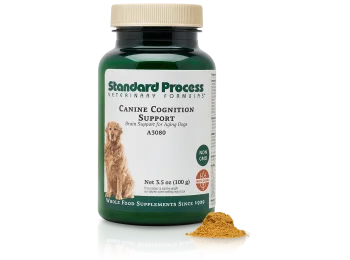
Canine Cognition Support
Advanced brain and behavior support for senior dogs – backed by science and nature.
$71.40View details →
Practitioner-directed nutritional products formulated specifically for dogs, cats and horses.
32 products in this guide
Animal health supplements are species-specific nutritional products for dogs, cats and horses. Compare them by species, life stage, current diet, formula type and veterinary guidance rather than treating animal and human formulas as interchangeable.
Animal formulas are not interchangeable with human supplements. Species, body size, diet, health history and veterinary care all affect product selection.
Use these products with veterinary guidance and follow the current animal-specific label for serving directions and cautions.


Advanced brain and behavior support for senior dogs – backed by science and nature.



Provides critical trace nutrient support for the thyroid gland


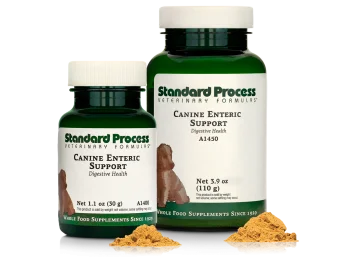
Provides general digestive system support
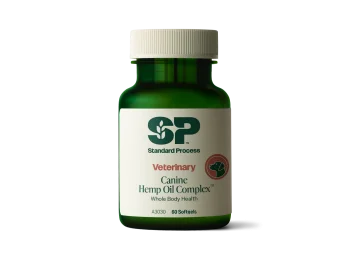

Hemp oil, calamari oil and TrueBroc® for whole body support
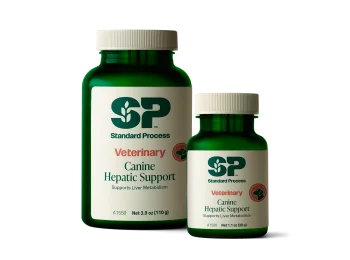
Formulated to support dogs' liver metabolism
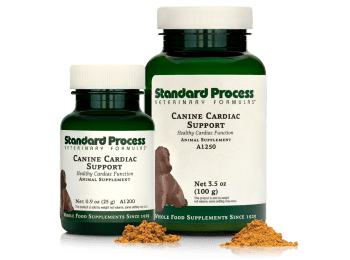
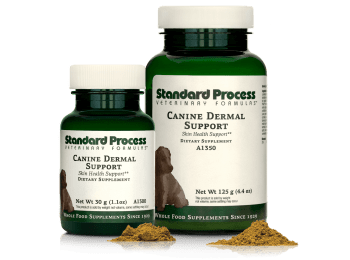
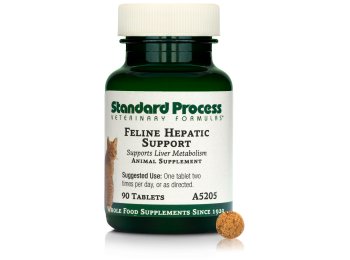
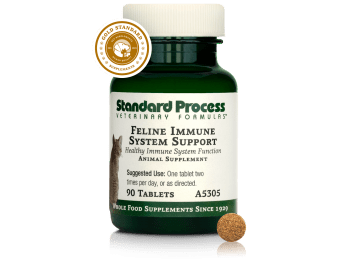
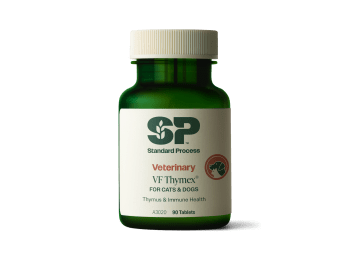
Supports optimal immune system function

Provides support for the normal function of the kidneys
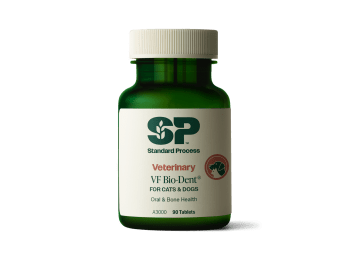
Supports growth and development of bone and the oral cavity
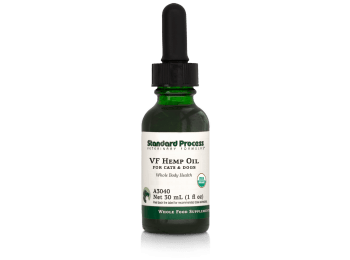

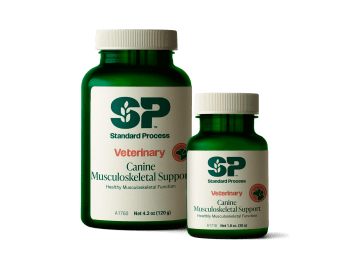
Supports optimal musculoskeletal function
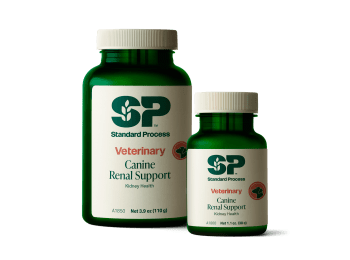
Provides support for the normal function of the kidneys
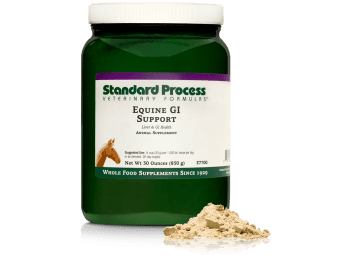


Promotes healthy joint function and mobility


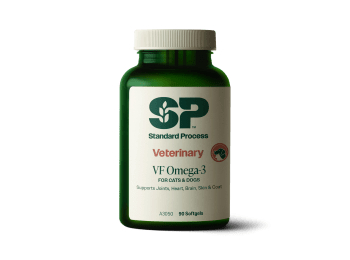

Helps the adrenal glands respond normally to stress
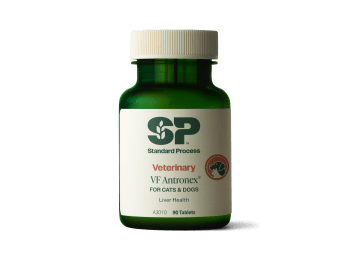
Supports the liver and normal detoxification mechanisms
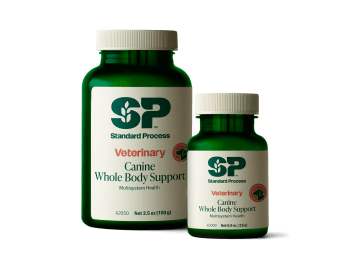
Provides general multisystem support*
Use the current product label and practitioner guidance for final selection.
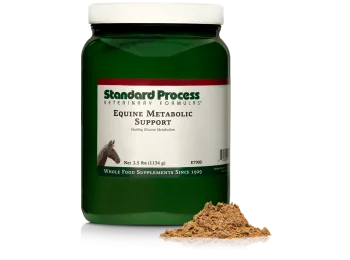
Start with the animal and the product’s intended species, not a human supplement with a similar name. Compare species-specific formulas, their declared ingredients and weight-based directions with a veterinarian. The examples below distinguish canine, feline and multi-species options.
| Product | Listing focus | Declared formula in brief | Label directions |
|---|---|---|---|
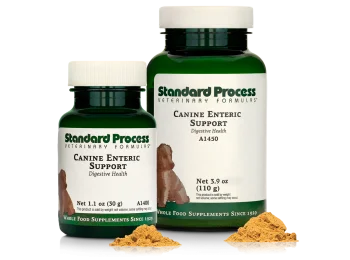
| Canine Enteric SupportView product →Standard Process Veterinary Formulas | Provides general digestive system support | A 400 mg blend per ⅛ tsp includes porcine stomach, duodenum and jejunum, L-glutamine, wheat-derived ingredients and other tissue and plant ingredients. No probiotic CFU count is declared. | Manufacturer daily schedule for dogs: 1–10 lb, ⅛ tsp once daily; 11–20 lb, ⅛ tsp twice daily; 21–40 lb, ¼ tsp twice daily; 41–60 lb, ½ tsp twice daily; 61–80 lb, ¾ tsp twice daily; over 80 lb, 1 tsp twice daily, or as directed by…Full ingredients and cautions → |
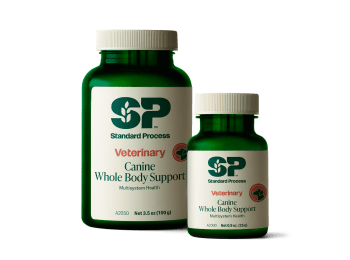
| Canine Whole Body SupportView product →Standard Process Veterinary Formulas | Provides general multisystem support* | The powder lists wheat germ, liver, vegetables, tissue extracts, botanicals, minerals and other ingredients. The panel references ⅛- or ½-teaspoon preparations without individual nutrient amounts. | Manufacturer daily schedule for dogs: 1–10 lb, ⅛ tsp once daily; 11–20 lb, ⅛ tsp twice daily; 21–40 lb, ¼ tsp twice daily; 41–60 lb, ½ tsp twice daily; 61–80 lb, ¾ tsp twice daily; over 80 lb, 1 tsp twice daily, or as directed by…Full ingredients and cautions → |
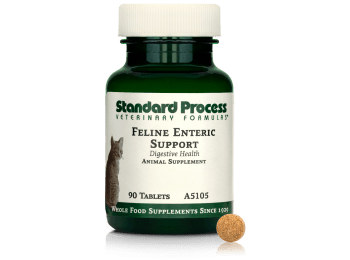
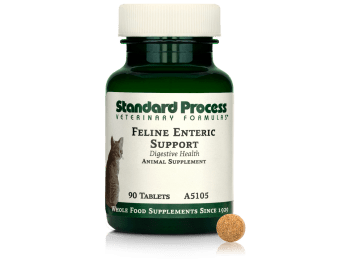
| Feline Enteric SupportView product →Standard Process Veterinary Formulas | Provides general digestive system support | A 350 mg tablet contains a 290 mg blend with porcine jejunum, stomach and duodenum, bovine liver, glutamine, wheat germ and green mussel (shellfish). | Administer orally. Best if given with food. Give one tablet two times per day, or as directed.Full ingredients and cautions → |
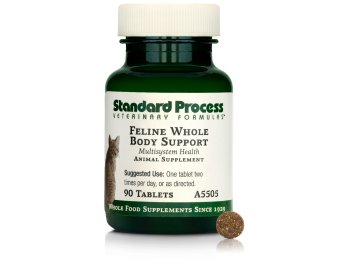
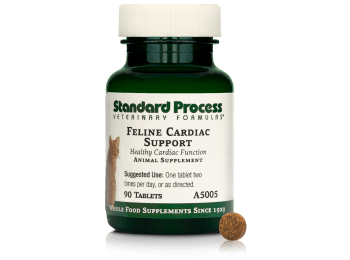
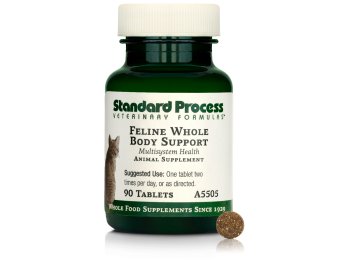
| Feline Whole Body SupportView product →Standard Process Veterinary Formulas | Provides general multisystem support | Per tablet guaranteed analysis: sodium maximum 5 mg, zinc minimum 180 mcg and chromium minimum 5 mcg. Includes animal tissues, vegetables, green mussel (shellfish) and wheat germ. | One tablet two times per day, or as directed.Full ingredients and cautions → |
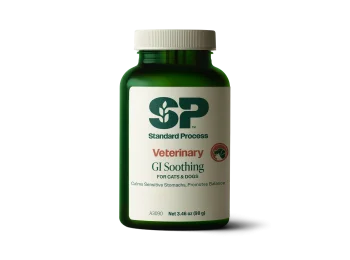
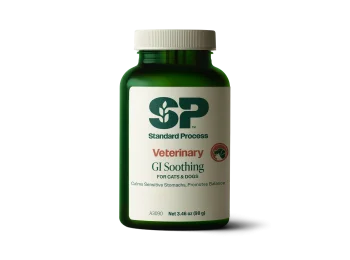
| GI SoothingView product →Standard Process | Acute GI support for cats and dogs | For dogs and cats only. Each quarter-teaspoon scoop (670 mg) lists a 90 mg biotic blend, 240 mg mucilage blend and 300 mg proprietary blend. Saccharomyces boulardii is the probiotic; Lactobacillus fermentate is a postbiotic. More than 1 billion CFU per scoop is stated at manufacture. Contains porcine duodenum and lactose; use the pet-weight schedule. | For dogs and cats only. Administer orally; for best results, moisten with water, broth or wet food. Daily schedule (one scoop = ¼ teaspoon): 1–15 lb: 1 scoop; 16–35 lb: 2 scoops; 36–55 lb: 3 scoops; 56–75 lb: 4 scoops; 76–90 lb:…Full ingredients and cautions → |
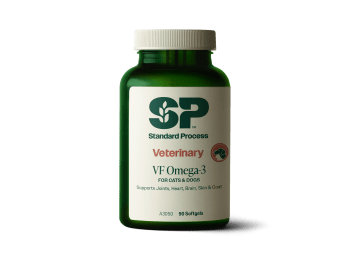
| VF Omega-3 for PetsView product →Standard Process Veterinary Formulas | Bridges EPA/DHA nutritional gap for pets | Per softgel guaranteed minimums: EPA 250 mg and DHA 200 mg. Ingredients include anchovy and sardine fish oil concentrate, gelatin, rosemary and astaxanthin. | Manufacturer daily schedule: cats and dogs under 10 lb, consult a veterinarian; cats and dogs 10–20 lb, 1 softgel; dogs 21–40 lb, 2 softgels; 41–60 lb, 3 softgels; 61–80 lb, 4 softgels; 81–100 lb, 5 softgels; 101–120 lb, 6…Full ingredients and cautions → |
Is the label written for dogs and their body weight?
Provides general digestive system support
Provides general multisystem support*
Is this a feline formula rather than a canine substitute?
Provides general digestive system support
Provides general multisystem support
What species and weight-based directions does this particular label specify?
Acute GI support for cats and dogs
Bridges EPA/DHA nutritional gap for pets
Compare the approaches, then read the specific labels and individual cautions.
WSNC adds independent comparison and practitioner context. Authorized Standard Process product listings remain the source for current product positioning and labels; NIH resources provide ingredient-level background; FDA guidance explains the consumer and regulatory framework for dietary supplements.
No. Read the intended species, ingredients and weight-based instructions on each formula. A scoop is a measure of that product; it does not establish an equivalent dose for another product or species.
No. A product name or its position in a guide does not establish animal suitability. Use the explicit manufacturer species statement and veterinary directions; never infer that a human botanical is a pet formula.
Bring the exact product labels, the animal’s species and weight, current food, medications and other supplements. Review overlap and each product’s cautions with the veterinarian.
Animal health supplements are species-specific nutritional products for dogs, cats and horses. Compare them by species, life stage, current diet, formula type and veterinary guidance rather than treating animal and human formulas as interchangeable. Product placement is based on the current manufacturer listing and is intended for navigation and education, not diagnosis.
Compare Standard Process veterinary formulas by named species, weight-based directions, full ingredients and veterinarian guidance before ordering through WSNC.
Read the guide →