Evidence and label comparisons · WSNC nutrition education
Best Supplements: What the Evidence Says and How to Choose
The best supplement depends on the question you are trying to answer. Start with your diet and health goals, then compare the evidence, ingredient form, amount per serving and suitability of the actual product. These five categories offer a practical starting point for informed comparisons.
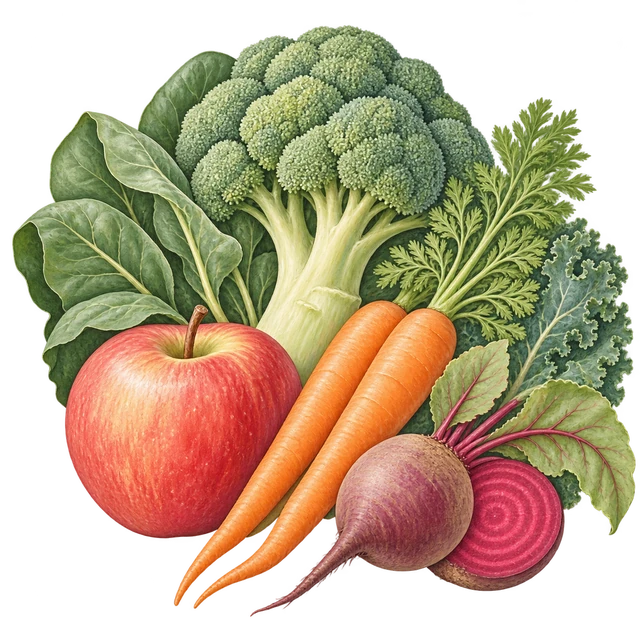
What makes a supplement worth considering
Begin with a specific question: a dietary gap, an ingredient you have heard about, or a product you want to compare. A nutrient can be essential without additional supplementation improving every outcome for everyone.
A useful comparison explains what the research studied, how the actual label differs and what remains uncertain. The five-category table points to deeper guides rather than declaring one universal winner.
References: NIH ODS supplement questions ↗
Five categories and their comparison questions
Vitamin D, magnesium, omega-3, fiber and creatine answer different questions. Their evidence should be assessed by outcome, preparation and population, not combined into a routine everyone should take.
| Category | Evidence context | Label question |
|---|---|---|
| Vitamin D guide → | Evidence contextNutritional need and bone-health context | Label questionD2 or D3, amount and other nutrients |
| Magnesium guide → | Evidence contextNutritional role with qualified sleep evidence | Label questionElemental amount, form and tablet count |
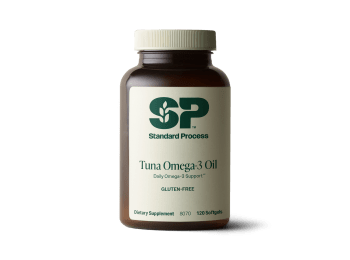
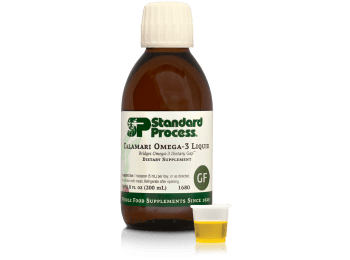
| Omega-3 guide → | Evidence contextOutcome-specific EPA and DHA evidence | Label questionEPA plus DHA rather than total oil weight |
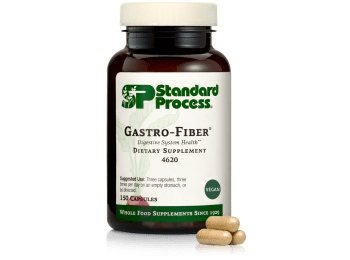
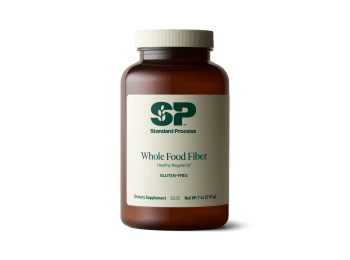
| Fiber guide → | Evidence contextIngredient-specific findings such as psyllium | Label questionFiber type and grams; blend disclosure |
| Creatine guide → | Evidence contextStrength and repeated high-intensity training | Label questionStudied form and amount; no forced catalog substitute |
| Vitamin B12 guide → | Evidence contextNutritional need, absorption and dietary context | Label questionDeclared B12 amount, form and other nutrients |
| Calcium guide → | Evidence contextFood intake and individual bone-health context | Label questionElemental calcium and labeled serving |
| Zinc guide → | Evidence contextNutrient need with condition-specific evidence | Label questionZinc amount, added minerals and intake overlap |
| CoQ10 guide → | Evidence contextOutcome-specific findings and medication questions | Label questionCoQ10 amount within the complete formula |
| Protein guide → | Evidence contextFood intake, muscle and activity context | Label questionProtein grams, calories and dietary ingredients |
| Digestive enzymes guide → | Evidence contextEnzyme-specific use and individual suitability | Label questionEnzyme identity and activity rather than blend weight |
| Probiotics guide → | Evidence contextStrain-specific findings and individual suitability | Label questionStrain identity, CFU timing and storage |
| Ashwagandha guide → | Evidence contextPreparation-specific stress and sleep research | Label questionPlant part, extract declaration and companion herbs |
| Vitamin C guide → | Evidence contextFood intake and normal nutritional functions | Label questionDeclared vitamin C, other nutrients and complete formula |
| Iron guide → | Evidence contextConfirmed needs, blood loss and practitioner assessment | Label questionElemental iron, labeled serving, medicines and complete formula |
References: NIH ODS Vitamin D ↗ · NIH ODS Magnesium ↗ · NIH ODS Omega 3 ↗ · NIH ODS Exercise and athletic performance ↗ · NIH ODS vitamin B12 ↗ · NIH ODS calcium ↗ · NIH ODS zinc ↗ · NCCIH CoQ10 evidence ↗ · Johns Hopkins digestive enzyme education ↗ · NIH Probiotics evidence context ↗ · NIH Ashwagandha evidence context ↗ · NIH Vitamin C evidence context ↗ · NIH ODS iron evidence and intake context ↗
Ingredient evidence and a finished formula
An ingredient name is only the beginning. Look at its form, quantity per serving and other components of the product. When a study concerns a defined preparation, a smaller amount in an unrelated blend is not automatically equivalent.
For example, our creatine guide explains why a multi-ingredient detox formula is not offered as a standalone creatine substitute. The fiber guide separates pure-psyllium research from comparisons of mixed-fiber formulas.
References: FDA consumer supplement information ↗
Standard Process options to compare
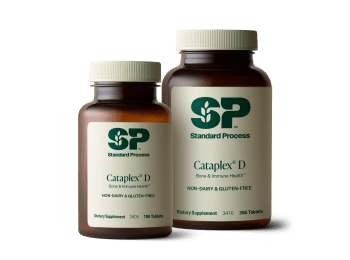
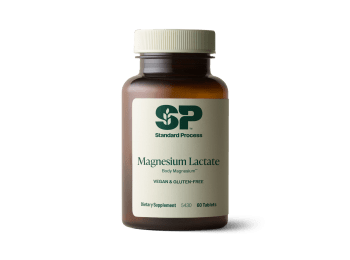
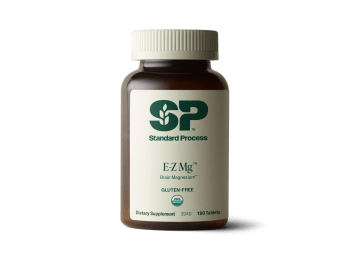
These are relevant catalog options grouped by ingredient question. They have different purposes and serving profiles; the cards are comparisons, not a recommendation to take them together. Open the ingredient guide for the declared quantities and important distinctions.
References: NIH ODS understanding supplement labels ↗
Dietary fit and everyday practicality
Review allergens, ingredient sources, capsule or tablet form and the number of units in the labeled serving. A formula that fits one person’s routine may not fit another’s dietary needs.
Compare actual package cost per serving using the selected package and label directions. A low bottle price and a low serving cost are different comparisons. Our existing calculator helps you examine those inputs.
References: NIH ODS supplement questions ↗
When to explore a protocol
Start with the relevant Health Goal and the question behind a kit. Protocols combine several products and introduce additional ingredients; they are not a necessary next step for every ingredient search.
Read the full contents, compare what you already take and discuss individual suitability with your practitioner. An ingredient’s evidence does not establish a treatment result for the entire kit.
References: FDA consumer supplement information ↗
Common questions
What are the best supplements for overall health?
There is no single list appropriate for every person. Compare a clear nutritional or practical goal with the evidence, actual label and individual circumstances.
Does a higher ingredient amount make a product better?
Not automatically. The useful amount depends on the ingredient, the comparison question, total intake and the actual evidence. More ingredients also create more opportunities for overlap.
Can I take all five categories together?
This guide is not a five-product routine. Review your diet, existing products, medications and individual needs before deciding whether any addition is appropriate.
Why does the creatine guide not recommend a Standard Process substitute?
No direct standalone match was identified in this catalog assessment. A multi-ingredient formula containing creatine is not treated as equivalent to the standalone preparations studied for exercise.
Evidence and research sources
Noncommercial references explain ingredients, evidence limits and safety; they do not verify every formula amount or establish a treatment outcome for a finished product or protocol. The referenced organizations do not endorse this store.
- FDA consumer supplement information ↗
- NIH ODS supplement questions ↗
- NIH ODS Vitamin D ↗
- NIH ODS Magnesium ↗
- NIH ODS Omega 3 ↗
- NIH ODS Exercise and athletic performance ↗
- NIH ODS understanding supplement labels ↗
- NIH ODS vitamin B12 ↗
- NIH ODS calcium ↗
- NIH ODS zinc ↗
- NCCIH CoQ10 evidence ↗
- Johns Hopkins digestive enzyme education ↗
- NIH Probiotics evidence context ↗
- NIH Ashwagandha evidence context ↗
- NIH Vitamin C evidence context ↗
- NIH ODS iron evidence and intake context ↗
How we research products → · Prepare a practitioner conversation →