Cardiovascular & Circulation
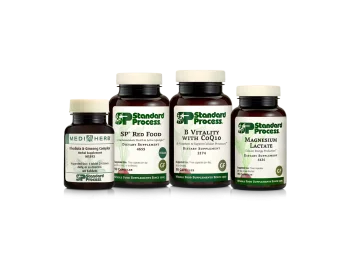
Protocol: Support for Erectile Function in Men
Nutritional and herbal support for healthy erectile function and vascular health*
$237.60View details →
Compare practitioner-guided nutrition for heart function, vascular integrity, circulation and healthy lipid metabolism.
31 products in this guide
Heart and circulation supplements may focus on omega-3 fats, foods, botanicals, vitamins, minerals or tissue-based formulas. Compare whether the intended support is cardiovascular, vascular, circulatory or lipid-related and review medication interactions carefully.
Cardiovascular formulas vary from omega-3 oils and food concentrates to botanicals, vitamins and tissue extracts.
Blood pressure, chest symptoms, circulation concerns and lipid management require appropriate clinical oversight.
Nutritional and herbal support for healthy erectile function and vascular health*
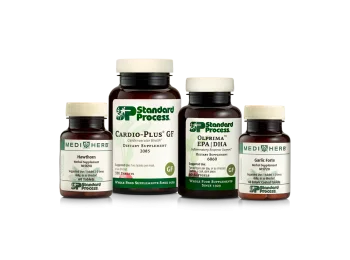
Support for maintaining healthy blood pressure already within normal range*
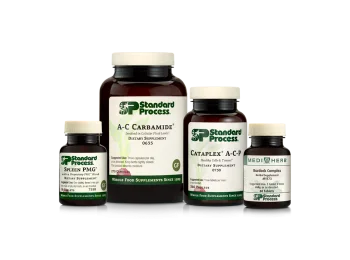
Nutritional support for healthy lymphatic circulation and function*
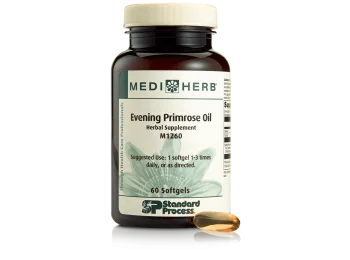
Healthy omega-6 fatty acid levels*
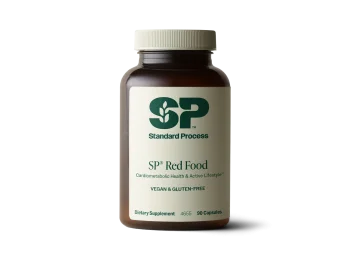


Cardiometabolic health, active lifestyle and healthy aging support*
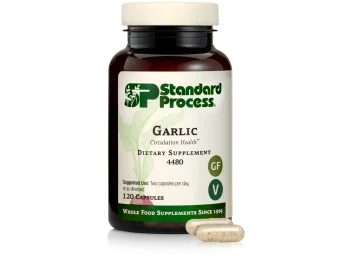
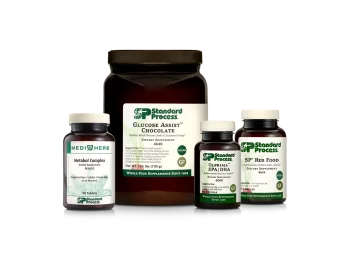
Comprehensive support for cardiovascular and metabolic wellness*
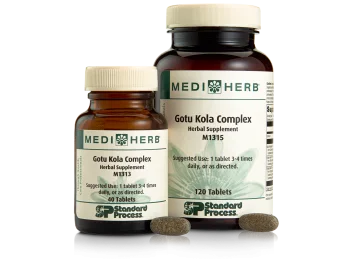
Healthy skin, capillary and circulation support*
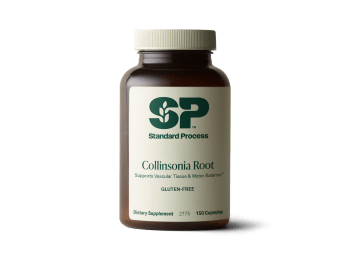
Historically used to support vascular tissue and water balance*
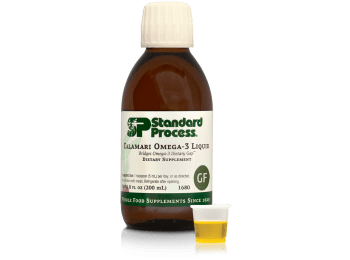
Helps bridge the gap in dietary omega-3 intake*
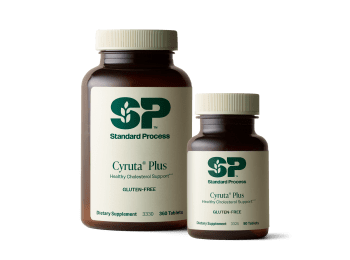
Supports capillary integrity and function*

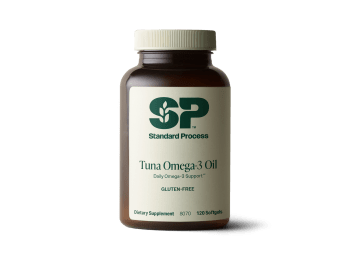
Supports general health and helps bridge omega-3 dietary gap*
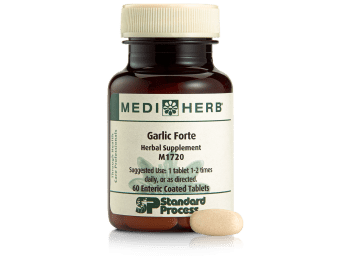
Healthy cardiovascular function support*
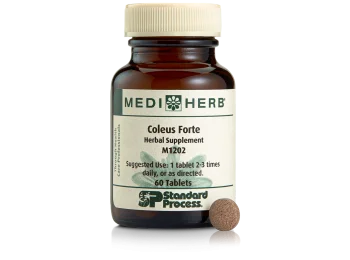

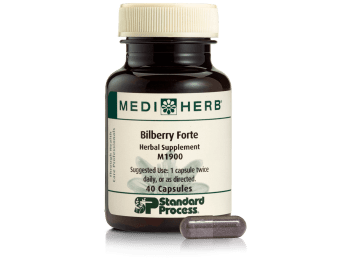
Eye health, capillary and vascular support*

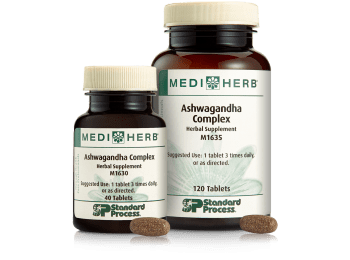
Adaptogenic stress support*
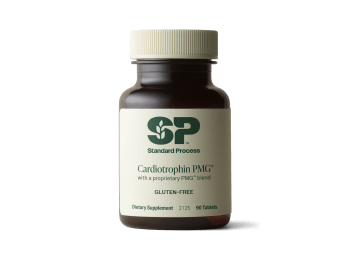
With a proprietary Standard Process PMG™ blend
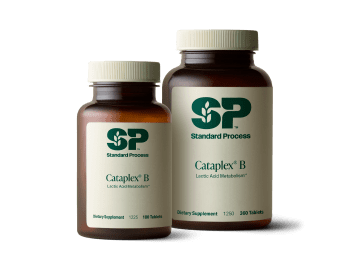

Supports healthy cholesterol levels already in a normal range*
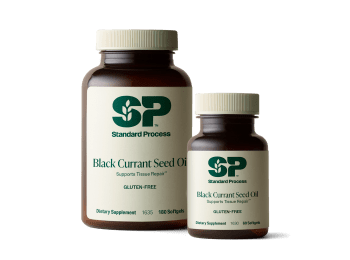
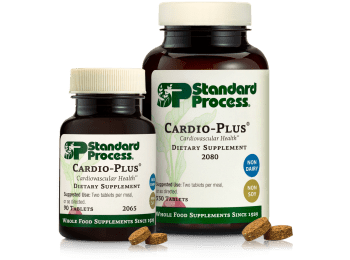
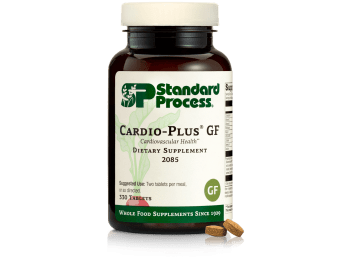
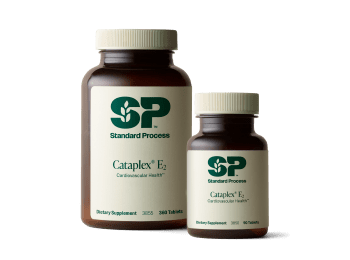
Supports cardiovascular health and general well-being*
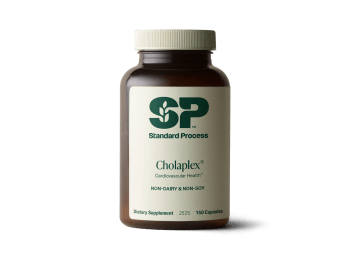
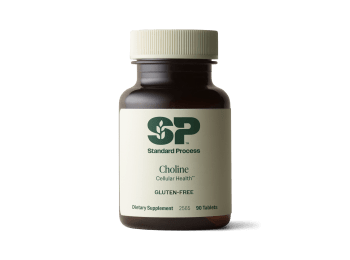

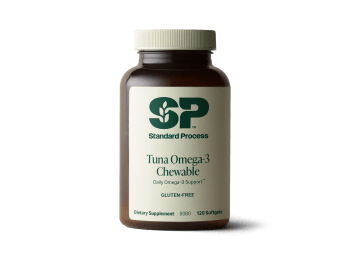
Supports general health and helps bridge omega-3 dietary gap*
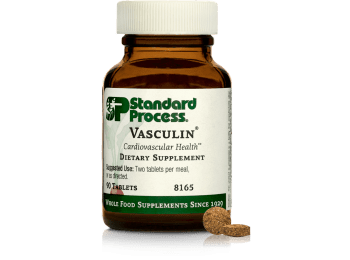
Explore kits related to this health goal. Each page explains the recorded products, the nutritional question and what to discuss with your practitioner.
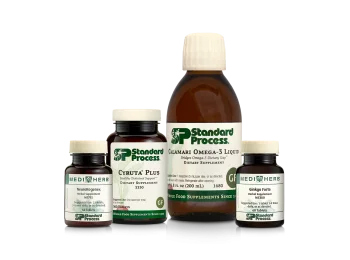
Brain health and circulation are often discussed together, yet a circulation-themed supplement kit is not a test of blood flow to the brain. This protocol gives patients a specific product combination to review while keeping neurological symptoms, cardiovascular risk and ordinary concentration concerns distinct.
Blood pressure is a measurable health issue, often without obvious symptoms. This protocol belongs in a discussion that includes reliable readings, lifestyle factors and prescribed care. Decide how a proposed nutritional addition will be assessed before purchasing; feeling different is not a substitute for checking blood pressure.
Cardiometabolic health brings cardiovascular and metabolic concerns into one discussion. It should still be anchored to actual findings such as blood pressure, glucose or an agreed nutrition goal. This protocol provides a specific combination to evaluate, rather than replacing the separate measurements and treatments that those concerns may require.
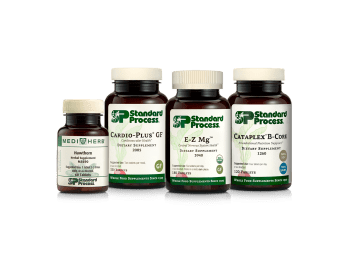
A cardiac-muscle protocol should be discussed within the actual cardiovascular care context. It is not a way to diagnose heart weakness from fatigue or exercise tolerance. Clarify whether the conversation concerns nutrition, an existing diagnosis or a symptom that needs assessment before considering this product combination.
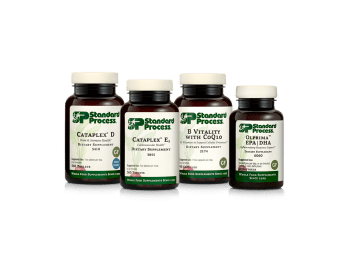
Statin therapy has a medical purpose that should remain central when discussing supplements. This protocol provides a nutritional combination to review alongside treatment, not evidence that the medicine is harmful or that every person taking it needs additional products. Clarify the particular concern before choosing a bundle.
A kit is a combination to compare, not an individualized recommendation. Review the complete labels and overlapping ingredients before choosing.
Use the current product label and practitioner guidance for final selection.
Fatty-acid oils, botanical formulas and nutrient/tissue blends describe different ingredient approaches. Begin with the declared formula and the precise listing focus, then review medication and individual suitability questions with a practitioner.
| Product | Listing focus | Declared formula in brief | Label directions |
|---|---|---|---|
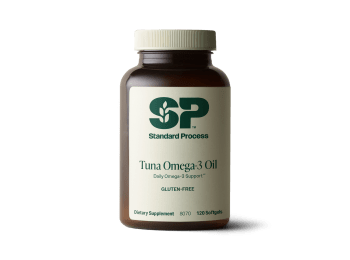
| Tuna Omega-3 OilView product →Standard Process | Supports general health and helps bridge omega-3 dietary gap* | Per two-softgel serving: tuna oil 1.3 g, DHA 300 mg and EPA 60 mg. | Two softgels twice per day with meals, or as directed. Store in a cool, dark place.Full ingredients and cautions → |
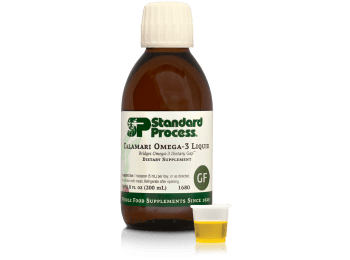
| Calamari Omega-3 LiquidView product →Standard Process | Helps bridge the gap in dietary omega-3 intake* | Each Serving Size (1 Teaspoon (5 mL)) contains: Calories 45, Total Fat 5 g, Saturated Fat 1 g, Polyunsaturated Fat 2 g, Monosaturated Fat 1 g, Cholesterol 110 mg, DHA 800 mg, EPA 400 mg. Ingredients: Calamari oil (squid), natural citrus flavor, sunflower oil, d-alpha tocopherol (vitamin E soy), and rosemary extract. | 1 teaspoon (5 mL) per day, or as directed. May be taken with meals. Refrigerate after opening.Full ingredients and cautions → |
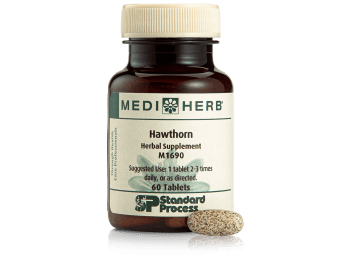
| HawthornView product →MediHerb | Supports cardiovascular system health* | Each Serving Size (1 Tablet) contains: Calcium 76.5 mg, Hawthorn leaf & flower 2.5:1 extract 372 mg (from Crataegus monogyna leaf & flower 930 mg, Containing vitexin-2-rhamnoside 6 mg). | 1 tablet 2 - 3 times daily, or as directed.Full ingredients and cautions → |
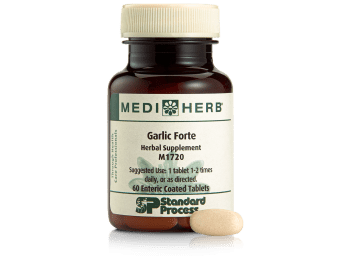
| Garlic ForteView product →MediHerb | Healthy cardiovascular function support* | Per tablet: calcium 70 mg and fresh garlic bulb 12:1 extract 300 mg (equivalent to 3.6 g fresh bulb). | One tablet one to two times daily, or as directed. Do not break or crush the tablets.Full ingredients and cautions → |
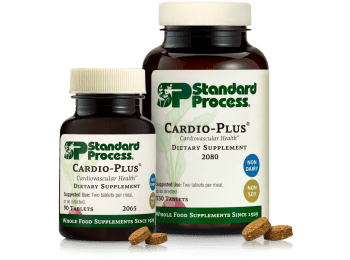
| Cardio-Plus®View product →Standard Process | Helps support heart health* | Two tablets list vitamin C 15 mg, vitamin E 1.3 mg, riboflavin 1.6 mg, niacin 14 mg, B6 0.5 mg, choline 30 mg and selenium 3 mcg. The 540 mg blend includes bovine heart PMG and defatted wheat germ. Contains wheat and animal ingredients. | Two tablets per meal, or as directed.Full ingredients and cautions → |
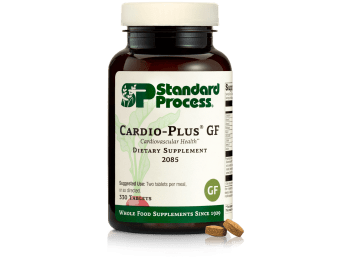
| Cardio-Plus® GFView product →Standard Process | Helps support heart health* | Two tablets list vitamin C 15 mg, vitamin E 1.3 mg, riboflavin 1.6 mg, niacin 14 mg, B6 0.5 mg, choline 30 mg and selenium 3 mcg. The 535 mg blend uses rice bran and includes animal tissues. Gluten-free does not mean vegetarian or vegan; honey is also listed. | Two tablets per meal, or as directed.Full ingredients and cautions → |
How do source, serving form and declared fatty-acid amounts differ?
Supports general health and helps bridge omega-3 dietary gap*
Helps bridge the gap in dietary omega-3 intake*
Which extract and serving does the label describe?
Supports cardiovascular system health*
Healthy cardiovascular function support*
What does the particular ingredient statement and dietary labeling establish?
Helps support heart health*
Helps support heart health*
Compare the approaches, then read the specific labels and individual cautions.
WSNC adds independent comparison and practitioner context. Authorized Standard Process product listings remain the source for current product positioning and labels; NIH resources provide ingredient-level background; FDA guidance explains the consumer and regulatory framework for dietary supplements.
No. Compare the individual amounts actually declared on the label, along with serving size. Total oil weight and the amounts of particular fatty acids are different label facts.
Compare the stated serving, ingredient source, allergens, storage directions and declared nutrient amounts. Different forms do not establish equivalent servings.
These pages provide product education, not instructions to change prescribed treatment. Discuss product selection and medication-related cautions with your treating clinician.
Heart and circulation supplements may focus on omega-3 fats, foods, botanicals, vitamins, minerals or tissue-based formulas. Compare whether the intended support is cardiovascular, vascular, circulatory or lipid-related and review medication interactions carefully. Product placement is based on the current manufacturer listing and is intended for navigation and education, not diagnosis.
Review CoQ10 evidence in the statin context, compare the recorded Standard Process kit with its individual formulas and prepare questions about symptoms and overlap.
Read the guide →Learn how EPA and DHA differ from total oil weight. Compare omega-3 serving forms, source ingredients and Standard Process options through WSNC.
Read the guide →Review CoQ10 evidence, label forms and amounts. Compare multi-ingredient Standard Process options and questions about medications and suitability.
Read the guide →Compare Garlic supplement forms, label amounts and evidence limits. Explore garlic blends versus declared extracts with WSNC practitioner guidance.
Read the guide →Compare Hawthorn supplement forms, label amounts and evidence limits. Explore leaf and flower extract versus berry claims with WSNC practitioner guidance.
Read the guide →Compare Grape Seed Extract supplement forms, label amounts and evidence limits. Explore procyanidins and proprietary blend differences with WSNC practitioner guidance.
Read the guide →Compare Horse Chestnut supplement forms, label amounts and evidence limits. Explore seed extract, escin and vascular blends with WSNC practitioner guidance.
Read the guide →Compare psyllium and mixed-fiber formulas, grams per serving and evidence limits. Explore Gastro-Fiber and Whole Food Fiber with WSNC Nutrition.
Read the guide →