Brain, Mood & Nervous System
Protocol: Cognitive Function
Support for memory, focus, and cognitive performance*
$249.60View details →
Practitioner-guided options for cognitive performance, emotional balance, relaxation and nervous-system nutrition.
30 products in this guide
Brain, mood and nervous-system supplements can differ widely in purpose, including cognition, relaxation, sleep, fatty-acid support and botanical nutrition. Compare the intended function, ingredient approach and medication considerations before comparing individual products.
Cognitive, mood, sleep and nervous-system concerns can overlap with medical conditions, medication effects and lifestyle factors.
Compare botanical, mineral, fatty-acid and tissue-based approaches with attention to interactions and individual goals.
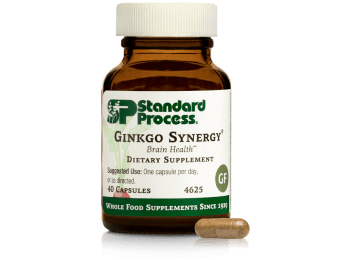
Support for memory, focus, and cognitive performance*
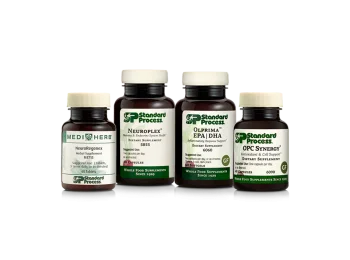
Support for healthy inflammatory processes in the central nervous system*
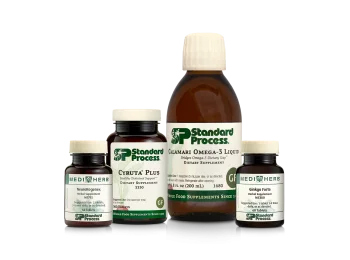
Support for healthy blood flow and neurovascular function*
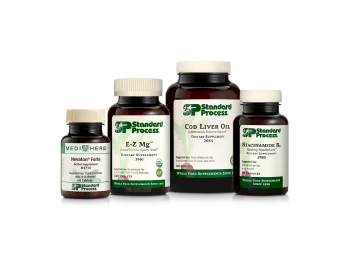
Support for healthy serotonin production and balance*
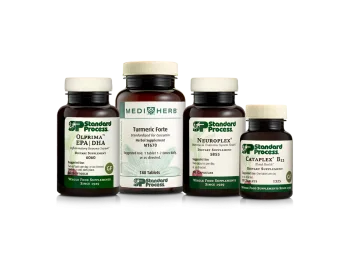
Nutritional support for healthy peripheral nerve function*
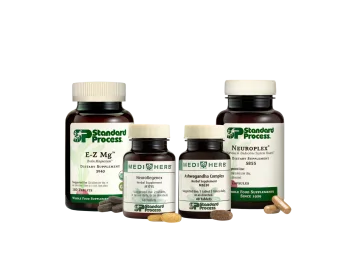
Support for cognitive performance and stress resilience after menopause.*
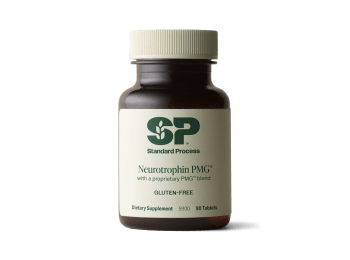


With a proprietary Standard Process PMG™ blend
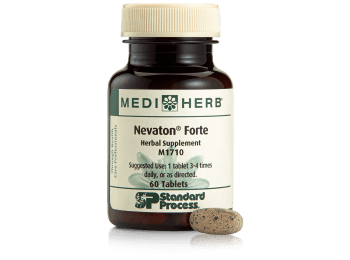
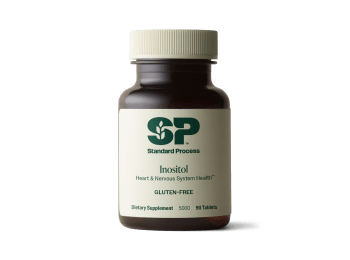

Helps support the cardiovascular and nervous systems*
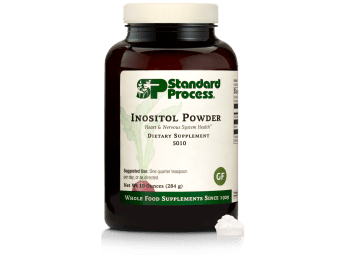

Helps support the cardiovascular and nervous systems*
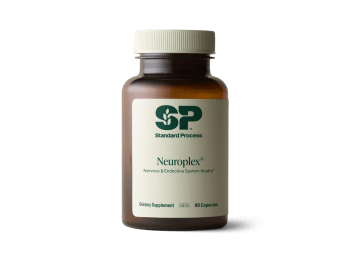
Supports the nervous and endocrine systems*
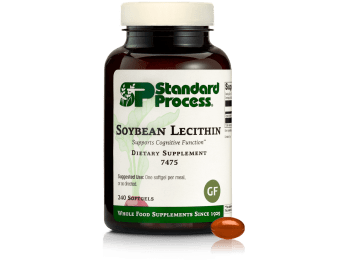

Helps maintain normal cognitive function*
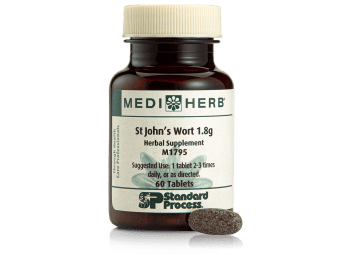

Nervous system support during stress*
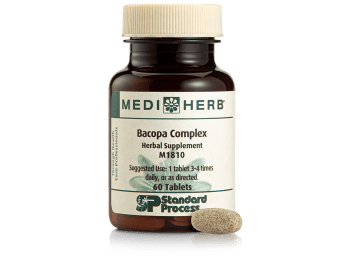
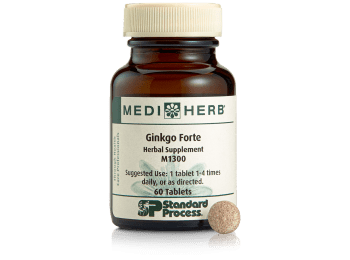
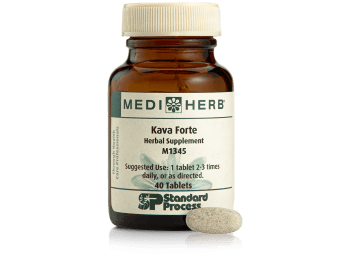
Nervous system, sleep and relaxation support*
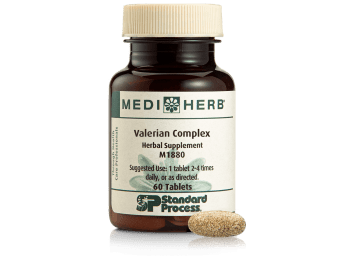
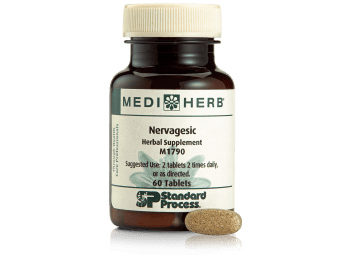
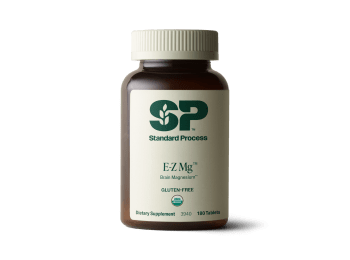
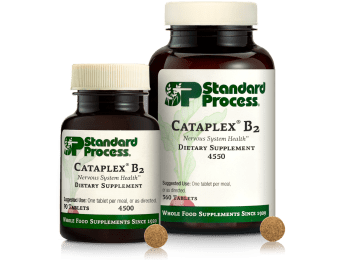
Supports brain and nervous system function*
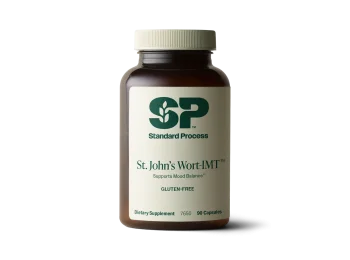
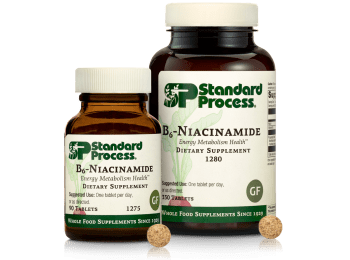
Supports a healthy nervous system and energy metabolism*
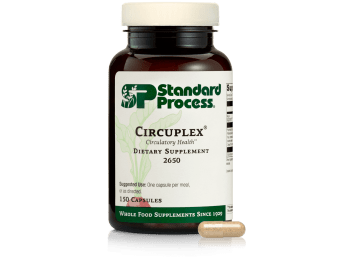
Supports the circulatory and nervous systems*

Supports hormone production and nerve tissue*

Supports central nervous system function*
Explore kits related to this health goal. Each page explains the recorded products, the nutritional question and what to discuss with your practitioner.
Memory, concentration and mental stamina are related but different concerns. This cognitive-function protocol is a way to discuss a coordinated supplement plan after identifying which difficulty matters most. Forgetting appointments, struggling to focus and feeling mentally tired should not automatically lead to the same purchasing decision.
The word neuroinflammation can sound like a diagnosis, but a protocol name does not show that someone has inflammation in the nervous system. This listing is best used to frame a practitioner discussion about nutritional goals, relevant symptoms and the limits of a supplement-based approach.
Brain health and circulation are often discussed together, yet a circulation-themed supplement kit is not a test of blood flow to the brain. This protocol gives patients a specific product combination to review while keeping neurological symptoms, cardiovascular risk and ordinary concentration concerns distinct.
Mood, sleep and stress are complex; they cannot be reduced to a supplement label or an assumed serotonin level. This protocol can help organize a product discussion, but the reason for considering it should be stated in ordinary terms such as sleep quality or a clinician-assessed mood concern.
Tingling, burning or numbness can arise for different reasons, and identifying the cause matters before selecting a supplement program. This peripheral-nerve protocol is a purchasing discussion after assessment, not evidence that all nerve symptoms reflect the same nutrient shortfall or respond to the same combination.
Changes in sleep, concentration and stress can overlap during and after menopause. This protocol is designed to frame that combination of concerns, while recognizing that persistent memory changes deserve their own assessment. Clarify the most important daily problem before choosing a broad cognitive-and-stress bundle.
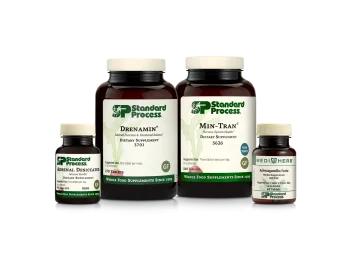
Stress can affect sleep, energy and everyday functioning, but those concerns should be described rather than collapsed into a presumed gland problem. This protocol can help review a supplement plan alongside practical support, routine changes and assessment of symptoms that continue or interfere with daily life.
A kit is a combination to compare, not an individualized recommendation. Review the complete labels and overlapping ingredients before choosing.
Use the current product label and practitioner guidance for final selection.
Cognition, occasional stress, sleep and fatty-acid nutrition should not be collapsed into one product promise. Use the exact listing focus and formula statement to distinguish botanical blends, fatty acids and other nutritional approaches.
| Product | Listing focus | Declared formula in brief | Label directions |
|---|---|---|---|
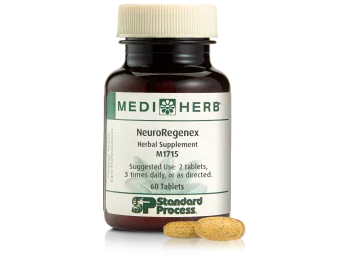
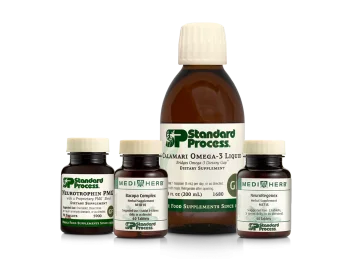
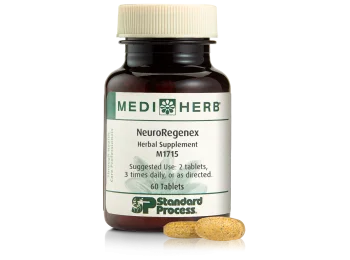
| NeuroRegenexView product →MediHerb | Rejuvenating brain support* | Each Serving Size (2 Tablets) contains: Calories 5, Calcium 142 mg, Gotu Kola leaf 10:1 extract 200 mg (from Centella asiatica leaf 2 g, Containing triterpenes 40 mg), Turmeric rhizome 55:1 extract 156 mg (from Curcuma longa rhizome 8.6 g, Containing curcuminoids 135 mg, Equivalent to curcumin 110 mg), Boswellia oleo-gum-resin 23:1 extract 88 mg (from Boswellia serrata oleo-gum-resin 2 g), Bupleurum root 6:1 extract 166.7 mg (from Bupleurum falcatum root 1 g). | 2 tablets, 3 times daily, or as directedFull ingredients and cautions → |
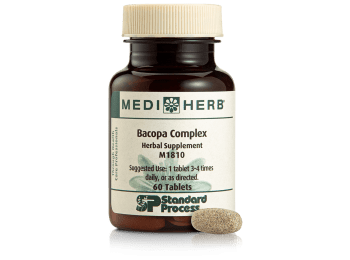
| Bacopa ComplexView product →MediHerb | Brain tonic* | Each Serving Size (1 Tablet) contains: Calcium 106 mg, Schisandra fruit 6:1 extract 110 mg (from Schisandra chinensis fruit 660 mg), Bacopa whole plant 20:1 extract 123.7 mg (from Bacopa monnieri whole plant 2.5 g, Containing key bacosides 37.1 mg), Eleuthero root 10:1 extract 50 mg (from Eleutherococcus senticosus root 500 mg, Containing syringaresinol diglucosides 400 mcg), Rosemary (Rosmarinus officinalis) leaf essential oil 10 mg. | 1 tablet 3 - 4 times daily, or as directed.Full ingredients and cautions → |
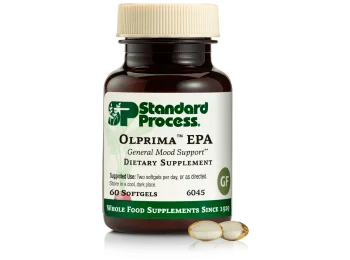
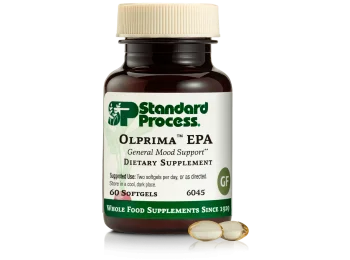
| Olprima™ EPAView product →Standard Process | Omega-3 EPA for general mood support* | Two softgels list fish oil concentrate 858 mg, total omega-3 660 mg and EPA 600 mg. Contains fish (anchovy, mackerel and sardine) and soy. The 600 mg EPA is for two softgels; EPA is part of, not additional to, the total omega-3 amount. | Two softgels per day, or as directed. Store in a cool, dark place.Full ingredients and cautions → |
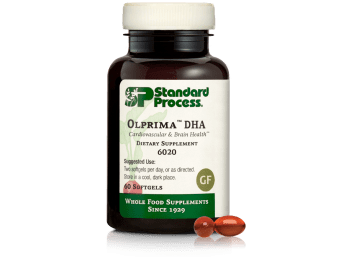
| Olprima™ DHAView product →Standard Process | High concentration omega-3 DHA oil | Two softgels list tuna-derived fish oil concentrate 1,220 mg, total omega-3 750 mg, DHA 620 mg and DPA 40 mg. Contains fish (tuna). DHA and DPA are components of the total omega-3 amount; do not add them to that total. | Two softgels per day, or as directed. Store in a cool, dark place.Full ingredients and cautions → |
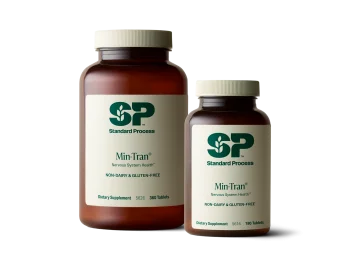
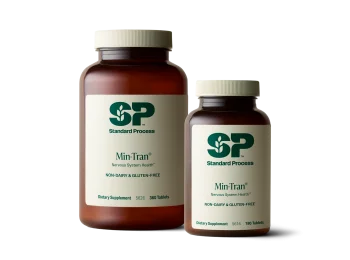
| Min-Tran®View product →Standard Process | Nervous system health* | Three tablets list calcium 180 mg, magnesium 70 mg and iodine 450 mcg. Ingredients include calcium lactate, magnesium citrate, honey, kelp and alfalfa. These amounts describe three tablets, not one tablet or automatically the full daily amount. | Three tablets twice per day, or as directed.Full ingredients and cautions → |
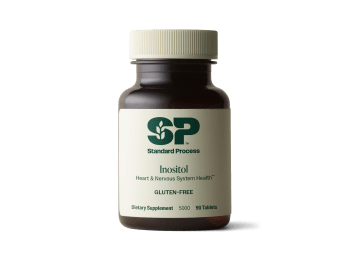
| InositolView product →Standard Process | Helps support the cardiovascular and nervous systems* | Each Serving Size (1 Tablet) contains: Inositol 375 mg. | One tablet per meal, or as directed.Full ingredients and cautions → |
Which extracts and declared constituents distinguish the formula?
Rejuvenating brain support*
Brain tonic*
Which fatty acids and serving amounts does each label list?
Omega-3 EPA for general mood support*
High concentration omega-3 DHA oil
Does the ingredient approach match the specific question you are researching?
Nervous system health*
Helps support the cardiovascular and nervous systems*
Compare the approaches, then read the specific labels and individual cautions.
WSNC adds independent comparison and practitioner context. Authorized Standard Process product listings remain the source for current product positioning and labels; NIH resources provide ingredient-level background; FDA guidance explains the consumer and regulatory framework for dietary supplements.
No. Compare the exact manufacturer listing focus, ingredients, serving directions and cautions. Sharing this guide does not mean that products have the same purpose or are interchangeable.
The product names and ingredient statements distinguish the fatty-acid profiles. Compare the actual amounts per labeled serving rather than relying on the broad term omega-3.
Compare the full ingredient lists for overlapping herbs and review the individual cautions with a practitioner, particularly when medications or a diagnosed condition are involved.
Brain, mood and nervous-system supplements can differ widely in purpose, including cognition, relaxation, sleep, fatty-acid support and botanical nutrition. Compare the intended function, ingredient approach and medication considerations before comparing individual products. Product placement is based on the current manufacturer listing and is intended for navigation and education, not diagnosis.
Compare cognitive, neurovascular and neuroinflammatory protocols, including shared NeuroRegenex, different companion formulas and questions before buying.
Read the comparison →Compare sleep and relaxation supplements by the sleep question, ingredients, evidence limits, medication context and complete serving directions.
Read the guide →Compare Vitamin B6 supplement forms, label amounts and evidence limits. Explore serving amounts, overlap and nerve safety with WSNC practitioner guidance.
Read the guide →Compare Ginkgo Biloba supplement forms, label amounts and evidence limits. Explore leaf extracts, standardization and formula differences with WSNC practitioner guidance.
Read the guide →Compare Bacopa supplement forms, label amounts and evidence limits. Explore bacosides and multi-herb comparisons with WSNC practitioner guidance.
Read the guide →Compare Gotu Kola supplement forms, label amounts and evidence limits. Explore triterpenes, blends and cognitive evidence with WSNC practitioner guidance.
Read the guide →Compare Valerian supplement forms, label amounts and evidence limits. Explore root extract and multi-herb sleep comparisons with WSNC practitioner guidance.
Read the guide →Compare Calming Herbs supplement forms, label amounts and evidence limits. Explore formula differences, sedation and interactions with WSNC practitioner guidance.
Read the guide →Compare St. John’s Wort supplement forms, label amounts and evidence limits. Explore hypericins, blends and medicine interactions with WSNC practitioner guidance.
Read the guide →Learn how EPA and DHA differ from total oil weight. Compare omega-3 serving forms, source ingredients and Standard Process options through WSNC.
Read the guide →Compare magnesium forms, elemental amounts, evidence limits and dietary needs. Explore Magnesium Lactate and E-Z Mg with WSNC Nutrition.
Read the guide →Compare vitamin B12 forms, amounts per serving and dietary ingredients. Explore Standard Process options and questions to discuss with your practitioner.
Read the guide →