Comparing Cognitive and Vasomotor Menopause Protocols
Cognitive and stress-resilience concerns and vasomotor symptoms are different conversations after menopause. These two kits have different recorded products, including different ashwagandha formulas. This page compares the combinations without treating either as hormone therapy or assuming that every change after menopause has the same cause.
Explore Women's Health →| Protocol and question | Recorded components | What to clarify |
|---|---|---|
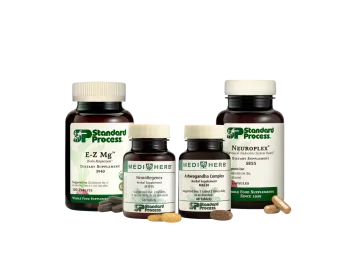
| Protocol: Cognitive and Stress Resilience After MenopauseView product → A discussion around cognition and stress resilience. |
| Is the main concern recall, concentration, mental fatigue or the demands of the routine?Read the individual protocol explanation → |
| Protocol: Regulation of Vasomotor Tone after MenopauseView product → A discussion around the listing’s vasomotor focus. |
| Which symptoms are being assessed, and what care options and health history matter?Read the individual protocol explanation → |

Describe the concern that affects daily life
Write down whether the main difficulty is concentration, recall, sleep disruption or episodes of heat and sweating. Several concerns can occur together, but a shared life stage does not make the purchasing decision identical. Note timing and practical impact so the clinician can distinguish the questions.
MedlinePlus describes menopause as a life transition with varied symptoms and care options. New, persistent or troublesome changes still deserve an individual assessment. Do not assume a supplement title explains the cause of a particular symptom.
Sources: MedlinePlus: Menopause
The combinations are different throughout
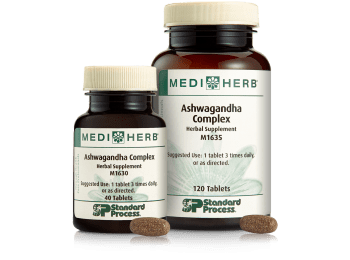
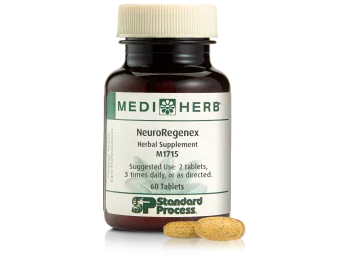
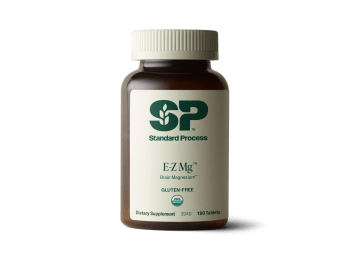
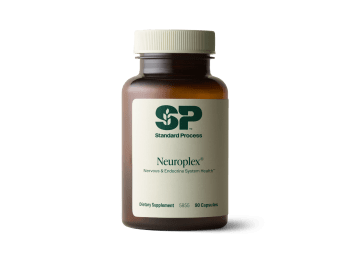
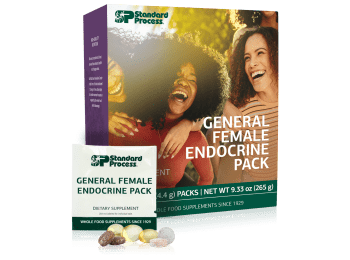
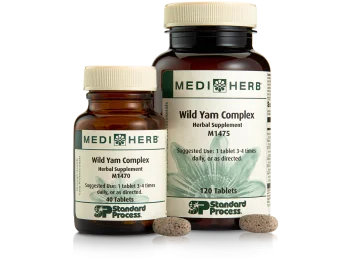
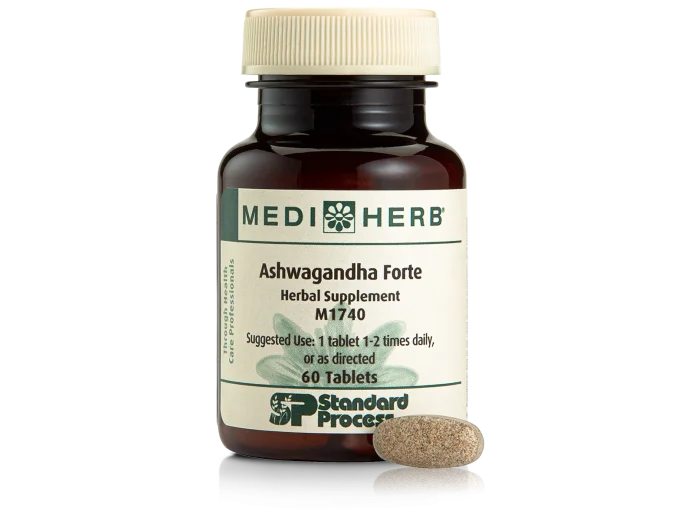
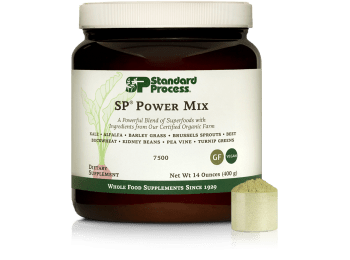
The cognitive and stress-resilience kit records Ashwagandha Complex, NeuroRegenex, E-Z MG-Organic and Neuroplex. The vasomotor kit records General Female Endocrine Pack, Wild Yam Complex, Ashwagandha Forte and SP Power Mix.
There are no identical recorded component packages between the two kits. That does not establish a reason to take both, because different formulas may still contain overlapping ingredients. Open the complete labels before evaluating a combined plan.
Ashwagandha Complex and Ashwagandha Forte are distinct
A botanical appearing in two product names does not make the products interchangeable. Compare the full formula, serving information and cautions for Ashwagandha Complex and Ashwagandha Forte. Avoid carrying directions from one product over to the other.
A pack also needs more than a glance at its outer name. General Female Endocrine Pack contains a coordinated set of products, so ask how the complete pack fits what you already take. Four named kit components may involve more than four simple ingredient panels.
Keep symptoms, treatment and nutritional support distinct
Ask the clinician which options address the symptoms that concern you and which health-history details affect those choices. A supplement protocol is not demonstrated here to reproduce the effects of menopausal hormone therapy or another prescribed treatment.
Similarly, a cognitive-themed kit should not be presented as preventing dementia. Our cognitive protocol comparison addresses the related combinations and their evidence limits. The menopause page stays focused on why these two life-stage listings answer different shopping questions.
Sources: MedlinePlus: Menopause · National Institute on Aging: Cognitive Health and Older Adults
Build a plan around one clear purpose at a time
Bring a list of current medicines and supplements, the most disruptive symptoms and the preparations you can realistically use. Ask what role each proposed component serves and whether separate products would fit better than a complete kit.
Agree how symptoms and tolerability will be discussed at follow-up. Changes in a busy week or sleep pattern do not automatically show which product helped. A practical plan explains both the intended nutrition goal and what would prompt a clinical reassessment.
Sources: NIH NCCIH: How Medications and Supplements Can Interact
Questions about menopause protocols
Do the two menopause kits share Ashwagandha Forte?
No. The cognitive and stress-resilience kit records Ashwagandha Complex, while the vasomotor kit records Ashwagandha Forte. They are distinct formulas.
Is the vasomotor kit the same as hormone therapy?
No equivalence is established. Discuss symptom management and appropriate treatment options with the clinician who knows your health history.
Should every woman after menopause use both kits?
No universal need is established. The kits address different discussions and should be evaluated against the actual concerns, complete labels and existing regimen.
Evidence and WSNC label references
- MedlinePlus: Menopause ↗
- National Institute on Aging: Cognitive Health and Older Adults ↗
- NIH NCCIH: How Medications and Supplements Can Interact ↗
Standard Process information is presented in the WSNC protocol and product records linked here. NIH and FDA references explain assessment, evidence limits and safety; they do not test or endorse this store or bundle.
Source and scope
This explanation uses the product facts already recorded for the WSNC catalog. It does not create a new clinical review or update prices. Confirm the selected package in the authorized WSNC store.
- Protocol: Cognitive and Stress Resilience After Menopause: authorized WSNC listing ↗
- Protocol: Regulation of Vasomotor Tone after Menopause: authorized WSNC listing ↗
Ingredient explanations do not establish a finished-product treatment outcome. Read our research method or plan a practitioner conversation.