Evidence and label comparisons · WSNC nutrition education
Vitamin C Supplements: Forms and Formula Comparisons
Vitamin C supports normal nutritional functions, but choosing a supplement also requires checking food intake, the declared amount and the complete formula. Cataplex C and Cataplex A-C-P provide vitamin C within different multi-ingredient products. Their serving amounts, other nutrients, wheat and animal ingredients matter alongside the vitamin name.

Compare vitamin C with the other ingredients
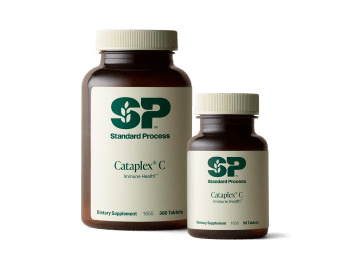
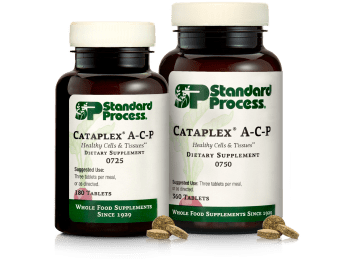
The inspected Cataplex C panel lists 18 mg of vitamin C per three tablets; Cataplex A-C-P lists 17 mg plus 380 mcg RAE of vitamin A per three tablets. Those are labeled-serving declarations, not total daily intake or a recommendation to make either product your only nutrient source.
Their proprietary blends also differ. Compare the other nutrients, plant and animal ingredients, dietary restrictions and directions as a complete product. Similar vitamin C amounts do not make the formulas identical, and the larger blend weight does not establish a larger vitamin C amount.
| Product | Declared serving facts | Important distinction |
|---|---|---|
| Cataplex® CView product → | Declared serving factsThree tablets: vitamin C 18 mg, calcium 30 mg and sodium 50 mg, plus a 590 mg proprietary blend. | Important distinctionMulti-ingredient formula with animal tissue ingredients and honey; contains wheat. Not standalone vitamin C. |
| Cataplex® A-C-PView product → | Declared serving factsThree tablets: vitamin C 17 mg and vitamin A 380 mcg RAE, plus an 810 mg proprietary blend. | Important distinctionDifferent combination formula with animal ingredients and honey; contains wheat. Include vitamin A when checking overlap. |
References: WSNC Cataplex C recorded label details ↗ · WSNC Cataplex A-C-P recorded label details ↗ · NIH ODS understanding supplement labels ↗
Separate nutritional roles from broad promises
Vitamin C contributes to normal collagen formation, antioxidant functions and iron absorption. Foods can provide it, and most people in the United States obtain enough through food and beverages. Supplement decisions should reflect actual dietary needs; a complete proprietary formula needs its own evidence for health outcomes.
NIH distinguishes the common-cold evidence from normal immune function: routine supplementation does not prevent colds for most people, and taking it only after symptoms begin has not shown consistent benefit. Use this guide to compare intake and labels rather than convert an immune-support description into a treatment promise.
References: NIH ODS vitamin C evidence and intake context ↗ · NIH ODS vitamin C consumer guidance ↗ · MedlinePlus vitamin C nutrition information ↗
Read the form without assuming superiority
Ascorbic acid is a common supplemental form; other products may use mineral ascorbates or combine vitamin C with other ingredients. NIH consumer guidance does not identify one ordinary vitamin C form as generally superior. A natural, buffered or food-based description should therefore lead to more label questions, not an automatic quality ranking.
Cataplex C lists acerola extract among its other ingredients, while Cataplex A-C-P lists ascorbic acid among its other ingredients. This guide does not assign a percentage of the vitamin C to individual sources or turn that difference into a claim of greater absorption. Use the declared nutrient amount and full formulation for the comparison.
References: NIH ODS vitamin C consumer guidance ↗ · WSNC Cataplex C recorded label details ↗ · WSNC Cataplex A-C-P recorded label details ↗
Keep wheat and animal ingredients visible
Both inspected manufacturer panels declare wheat and include animal-derived tissue ingredients and honey. Neither should be described here as vegan or assumed suitable for a wheat restriction because vitamin C itself is a nutrient. The formula, not the vitamin name, determines those ingredient questions.
Cataplex A-C-P adds vitamin A to the comparison, while Cataplex C declares calcium and sodium. Check overlap with your other products and the exact selected package. When a proprietary blend lists many ingredients, its total weight should not be presented as verified individual amounts.
References: WSNC Cataplex C recorded label details ↗ · WSNC Cataplex A-C-P recorded label details ↗ · NIH ODS understanding supplement labels ↗
Check total intake and individual cautions
NIH describes possible digestive effects from excessive vitamin C and particular concerns with iron-overload conditions and some cancer treatments. An intake target or upper limit is not a suggested supplement dose. Include food, multivitamins and combination formulas in the discussion of total intake.
The recorded product warnings include caution for allergies to plants in the daisy family. Cataplex A-C-P also advises consultation during pregnancy or nursing or with a health condition. Review the full label and medications with your practitioner, particularly when other products contribute the same nutrients or botanicals.
References: NIH ODS vitamin C evidence and intake context ↗ · NIH ODS vitamin C consumer guidance ↗ · WSNC Cataplex C recorded label details ↗ · WSNC Cataplex A-C-P recorded label details ↗
Use the relevant health and label guides
The immune and skin/connective-tissue collections provide broader browsing paths. The whole-food label guide helps explain why a formula can include foods, added nutrients and other ingredients together. Those paths answer different questions from the focused vitamin C comparison here.
When a product or recorded kit includes vitamin C, use the ingredient guide to understand the declaration and evidence limits. That ingredient relationship does not establish that the whole protocol prevents illness. Start with the complete component list and practitioner guidance before adding overlapping products.
References: NIH ODS vitamin C consumer guidance ↗ · FDA consumer supplement information ↗
Protocol label reading
These kits contain a product compared in this guide. That ingredient match does not establish effects for the complete kit or individual suitability. Review all components with your practitioner.
Common questions
Are Cataplex C and Cataplex A-C-P standalone vitamin C products?
No. Both are multi-ingredient formulas. Their vitamin C declarations are similar, but other nutrients, proprietary ingredients and cautions differ.
Which serving amounts are compared?
The recorded panels show 18 mg for Cataplex C and 17 mg for Cataplex A-C-P per three tablets. These are labeled servings, not recommended individual daily doses.
Does food-based vitamin C automatically work better?
That description alone does not establish superiority. Compare the declared amount, complete formula and evidence for the specific question instead of assuming better absorption.
Are these formulas suitable for vegan or wheat-restricted diets?
The inspected panels include animal-derived tissue ingredients, honey and a wheat declaration. Check the current selected package and practitioner guidance rather than applying a dietary label to vitamin C in general.
Evidence and product label sources
WSNC label links below present recorded Standard Process product information on our site. Noncommercial references explain ingredients, evidence limits and safety; they do not verify every formula amount or establish a treatment outcome for a finished product or protocol. The referenced organizations do not endorse this store.
- NIH ODS vitamin C evidence and intake context ↗
- NIH ODS vitamin C consumer guidance ↗
- MedlinePlus vitamin C nutrition information ↗
- WSNC Cataplex C recorded label details ↗
- WSNC Cataplex A-C-P recorded label details ↗
- FDA consumer supplement information ↗
- NIH ODS understanding supplement labels ↗
Manufacturer nutrition-panel amounts shown here were checked October 13, 2026. Confirm the current packaging, directions and dietary information before use. Your healthcare practitioner can help assess individual suitability.
How we research products → · Prepare a practitioner conversation →