PPI Therapy and Nutrient Intake: Questions Before Supplementing
A proton pump inhibitor is prescribed or used for a particular acid-related concern. The nutritional-support protocol records four separate formulas, but the presence of those products in a kit does not show that you lack every nutrient they contain. Start with why you take the medicine, your food intake and what the treating professional has assessed.
Explore Digestive Support →| Protocol and question | Recorded components | What to clarify |
|---|---|---|
| Protocol: Nutritional Support for Proton Pump Inhibitor TherapyView product → Nutrition discussion alongside an existing PPI care plan. |
| Which intake or measured concern, if any, supports each proposed formula?Read the individual protocol explanation → |
Keep the reason for the PPI visible
Bring the medicine name, how it is being used and the reason it was recommended. Ask the prescriber about the ongoing care plan rather than interpreting a supplement title as a reason to discontinue treatment. Nutritional support and controlling an acid-related condition are different tasks.
Discuss new symptoms and changes in intake with the treating professional. A shopping page cannot determine whether to change the dose, stop the medicine or use an alternative. Keep those decisions connected to the established diagnosis and instructions.
A possible absorption concern is not a universal deficiency
NIH’s vitamin B12 fact sheet explains that gastric acid inhibitors can interfere with release of B12 from food and may contribute to deficiency. That provides a reason for an individual discussion; it does not show that every person using a PPI is deficient.
Ask whether your history, food intake, symptoms or existing assessment justify further evaluation. Fatigue alone does not identify a nutrient deficiency. Avoid turning a broad risk statement into an automatic shopping list or a universal testing schedule.
Sources: NIH ODS: Vitamin B12
Four formulas, four separate questions
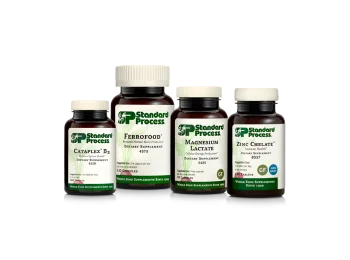
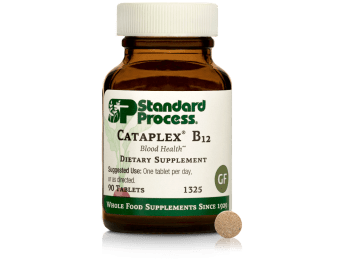
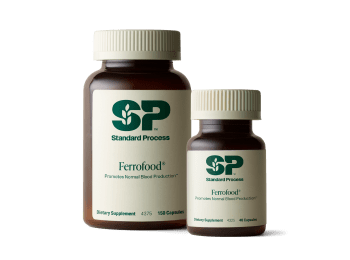
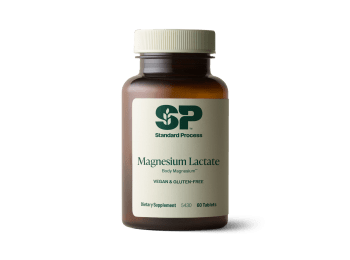
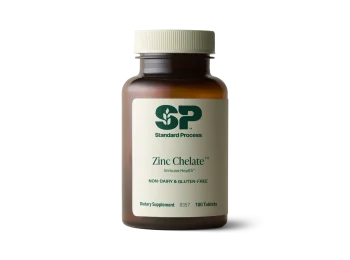
The recorded kit includes Cataplex B12, Ferrofood, Magnesium Lactate and Zinc Chelate. These are separate formulas with their own ingredients, amounts and cautions. The list does not establish that B12, iron-related, magnesium and zinc supplementation are all needed together.
Use the component pages to ask a precise question for each: What concern is it intended to address? What do meals and current supplements already provide? Does the selected formula and serving fit the actual plan? A bundle can simplify purchasing without making the clinical decision simpler.
Describe intake before assuming an intake gap
Record a realistic day of meals, foods you avoid and any difficulty eating. Bring existing multivitamins, mineral formulas and other supplements. A clinician or dietitian can distinguish a food-intake question from an absorption question or a concern requiring another assessment.
If a nutrient problem has been confirmed, ask what treatment and follow-up are appropriate. A retail bundle does not necessarily match the formulation or amount needed for that situation. Do not substitute several general products for an individualized deficiency plan.
A short checklist for the prescriber or pharmacist
Ask: What is the continuing reason for this PPI? Is there a specific nutritional concern in my case? Which proposed products duplicate what I already take? Do the complete labels create timing or interaction questions? What changes should prompt me to contact the care team?
Keep a written plan for the selected products and medicine instructions. Buying the protocol and the same individual bottles can duplicate supplies unintentionally. The component links support that review without creating a fresh price, dietary or manufacturer-label matching exercise.
Sources: NIH NCCIH: How Medications and Supplements Can Interact
Questions about PPI therapy and nutrition
Does taking a PPI mean I need the full nutrient kit?
No universal need is established. Evaluate the medicine context, intake, existing products and any assessed nutritional concern before selecting components.
Can PPIs affect vitamin B12 from food?
NIH explains that gastric acid inhibitors can interfere with release of B12 from food and may contribute to deficiency. That is a reason for an individual clinical discussion, not proof that every user is deficient.
Should I stop the PPI and use supplements instead?
Do not change the medicine on the basis of this kit. Keep treatment decisions with the prescriber; nutritional products do not establish a replacement for the assessed care plan.
Evidence and WSNC label references
- NIDDK: Acid Reflux and GERD in Adults ↗
- NIH ODS: Vitamin B12 ↗
- NIH NCCIH: How Medications and Supplements Can Interact ↗
Standard Process information is presented in the WSNC protocol and product records linked here. NIH and FDA references explain assessment, evidence limits and safety; they do not test or endorse this store or bundle.
Source and scope
This explanation uses the product facts already recorded for the WSNC catalog. It does not create a new clinical review or update prices. Confirm the selected package in the authorized WSNC store.
- Protocol: Nutritional Support for Proton Pump Inhibitor Therapy: authorized WSNC listing ↗
- Cataplex® B12: authorized WSNC listing ↗
- Ferrofood®: authorized WSNC listing ↗
- Magnesium Lactate: authorized WSNC listing ↗
- Zinc Chelate™: authorized WSNC listing ↗
Ingredient explanations do not establish a finished-product treatment outcome. Read our research method or plan a practitioner conversation.