Evidence and label comparisons · WSNC nutrition education
Probiotic Supplements: Strains, CFUs and What to Compare
Choosing a probiotic starts with the microorganisms, the declared serving and the question you are trying to answer. ProSynbiotic combines live microbes with inulin; Prebiotic Inulin supplies fiber and minerals without listing probiotic organisms. They offer different label comparisons, and a larger CFU number alone does not establish a better choice.
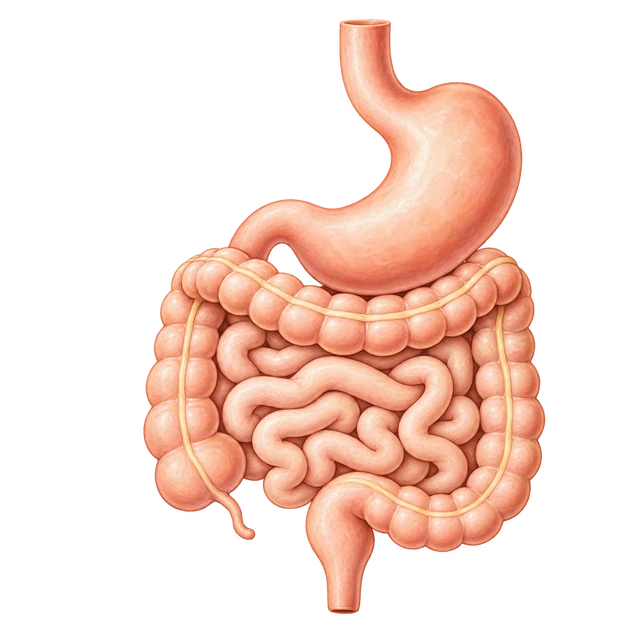
Compare live microbes with prebiotic fiber
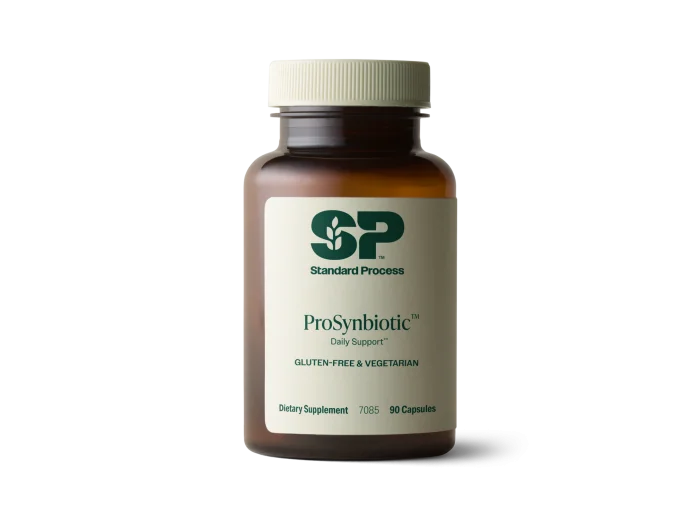
The recorded ProSynbiotic panel combines inulin with Saccharomyces boulardii, Lactobacillus acidophilus, Lactobacillus paracasei and Bifidobacterium animalis subsp. lactis. Its named strain information includes Lpc-37 and DSM 15954. Keep the full organism and strain designation together when comparing a label with a study; a familiar species name alone does not establish the same result.
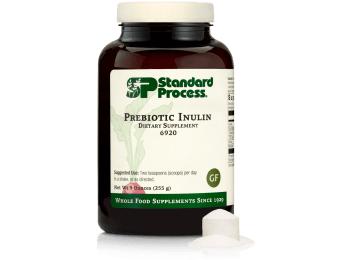
Prebiotic Inulin is a powder with a declared fiber amount and added calcium and magnesium. Compare its fiber and minerals with your current intake, rather than assigning it a CFU value. The table preserves each labeled serving; it is not a recommendation to combine the products or a capsule-to-powder conversion.
| Product | Declared serving facts | Important distinction |
|---|---|---|
| ProSynbioticView product → | Declared serving factsThree capsules: 1.3 g proprietary blend with inulin, Saccharomyces boulardii 500 mg and three bacterial species. Manufacturer declares more than 20 billion CFU at manufacture. | Important distinctionSynbiotic formula. An at-manufacture declaration is not a verified count guaranteed through expiry. |
| Prebiotic InulinView product → | Declared serving factsTwo teaspoons: dietary fiber as chicory-root inulin 5 g, calcium 200 mg and magnesium 40 mg. | Important distinctionPrebiotic fiber and minerals; no live probiotic organisms are listed. Not interchangeable with ProSynbiotic. |
References: WSNC ProSynbiotic recorded label details ↗ · WSNC Prebiotic Inulin recorded label details ↗ · NIH ODS probiotic evidence and label guidance ↗
Understand probiotics, prebiotics and synbiotics
Probiotics are live microorganisms used for specific health purposes. Prebiotics are substrates used by beneficial microorganisms; synbiotics combine probiotic and prebiotic components. These terms describe different approaches. Ordinary fiber, fermented food and a commercial probiotic should not automatically be treated as interchangeable.
NIH reviews show that findings depend on the particular organism, preparation and health question. A result for one strain does not establish that every blend sharing its genus has the same effect. The ingredient discussion here does not prove that the complete ProSynbiotic formula or a protocol treats a digestive condition.
References: NIH ODS probiotic evidence and label guidance ↗ · NCCIH probiotic usefulness and safety ↗
Read the CFU timing and storage information
Colony-forming units describe viable microorganisms, not milligrams of powder. Check whether the declaration applies at manufacture or through expiry, and whether the package specifies storage conditions. More CFUs is not a reliable substitute for matching the studied organism and the intended question.
ProSynbiotic states more than 20 billion CFU at manufacture and storage in a cool, dry place. This guide does not turn that into an expiry guarantee. Record the package date and storage directions alongside the serving, and ask for clarification when the current label does not answer a comparison question.
References: NIH ODS probiotic evidence and label guidance ↗ · WSNC ProSynbiotic recorded label details ↗
Check the complete formula before comparing options
ProSynbiotic lists inulin, probiotic yeast and bacteria, with cellulose, water and calcium stearate as other ingredients. The blend weight does not disclose a separate amount for every bacterial component. Do not divide that weight by the number of organisms to invent individual quantities.
For Prebiotic Inulin, the practical comparison includes 5 g of fiber plus calcium and magnesium per two teaspoons. If other products already provide fiber or those minerals, bring their labels to the discussion. Dietary attributes belong to the selected product and current package; they cannot be inferred from the probiotic or prebiotic category name.
References: WSNC ProSynbiotic recorded label details ↗ · WSNC Prebiotic Inulin recorded label details ↗ · NIH ODS understanding supplement labels ↗
Discuss the health question and suitability first
NCCIH describes safety concerns for people who are seriously ill or have weakened immune systems, and special risks in premature infants. This adult-oriented comparison should not be used to choose a product for a child or to replace medical assessment of persistent symptoms.
The manufacturer advises consultation for ProSynbiotic during pregnancy or nursing or with a health condition. A practitioner can help decide whether a probiotic question, food and fiber review, or another evaluation is relevant. Starting several formulas at once also makes it harder to identify ingredient overlap and assess the individual decision.
References: NCCIH probiotic usefulness and safety ↗ · WSNC ProSynbiotic recorded label details ↗ · FDA consumer supplement information ↗
Follow the right digestive reading path
The fiber guide explains fiber types and declared grams; the enzyme guide explains digestive enzymes, activity questions and other formula components. Use those pages when the issue is a fiber or enzyme comparison, instead of selecting all three categories because they share a digestive-health label.
A recorded kit containing ProSynbiotic can be connected to this guide for ingredient education. That reading path does not validate a combined kit outcome. Review the exact component list and each label with your practitioner before treating an ingredient guide as a protocol recommendation.
References: NIH ODS probiotic evidence and label guidance ↗ · FDA consumer supplement information ↗
Protocol label reading
These kits contain a product compared in this guide. That ingredient match does not establish effects for the complete kit or individual suitability. Review all components with your practitioner.
Common questions
Is Prebiotic Inulin a probiotic?
No live probiotic organisms are listed on its recorded panel. It is a prebiotic fiber and mineral comparison, while ProSynbiotic lists both microbes and inulin.
Does the highest CFU count identify the best probiotic?
No. Organism and strain identity, the health question, declaration timing, storage and individual suitability are also important. Higher counts alone do not establish better outcomes.
Is the ProSynbiotic CFU declaration guaranteed through expiry here?
The inspected manufacturer information declares more than 20 billion CFU at manufacture. This guide does not represent that as a verified expiry guarantee; check the selected current package.
Should I combine a probiotic with enzymes and fiber?
A shared digestive category does not establish a need for all three. Compare the full formulas and ask a practitioner which question each product would address.
Evidence and product label sources
WSNC label links below present recorded Standard Process product information on our site. Noncommercial references explain ingredients, evidence limits and safety; they do not verify every formula amount or establish a treatment outcome for a finished product or protocol. The referenced organizations do not endorse this store.
- NIH ODS probiotic evidence and label guidance ↗
- NCCIH probiotic usefulness and safety ↗
- WSNC ProSynbiotic recorded label details ↗
- WSNC Prebiotic Inulin recorded label details ↗
- FDA consumer supplement information ↗
- NIH ODS understanding supplement labels ↗
Manufacturer nutrition-panel amounts shown here were checked October 13, 2026. Confirm the current packaging, directions and dietary information before use. Your healthcare practitioner can help assess individual suitability.
How we research products → · Prepare a practitioner conversation →