Protein and Fiber When Appetite Is Reduced
When you feel less hungry, a manageable eating routine can matter more than adding several supplements at once. This guide offers practical food-planning examples and questions about protein and fiber preparations. It complements the existing GLP-1 protocol comparison by focusing on the everyday intake question rather than repeating what those two kits contain.
Explore Protein, Fiber & Nutrition →| Protocol and question | Recorded components | What to clarify |
|---|---|---|
| Protocol: Nutritional Support for GLP-1 Receptor Agonist TherapyView product → A nutrition discussion during prescribed therapy. |
| Which intake concern, if any, supports a protein preparation and the companion nutrients?Read the individual protocol explanation → |
| Protocol: Healthy Body CompositionView product → A broader body-composition nutrition discussion. |
| How does the protein and fiber routine fit meals, activity and the actual goal?Read the individual protocol explanation → |
Start with what you can comfortably eat
Write down a realistic day of meals and drinks, including what was left unfinished. Describe whether the difficulty is appetite, fullness, texture, preparation or another symptom. That helps a dietitian or clinician identify the practical problem instead of assuming one standard powder solves every situation.
If the change began during prescribed treatment, tell the prescriber. Keep medication instructions and the reason for treatment visible in the plan. Difficulty maintaining intake or persistent vomiting needs a care conversation, not simply another preparation added to the shopping basket.
Sources: NIDDK: Prescription Medications to Treat Overweight and Obesity
Build a few workable meal options
Examples to discuss include yogurt with fruit if suitable, an egg with toast, a small portion of beans with rice, or fish, poultry or tofu with a familiar side. The useful starting point is an acceptable food combination you can prepare, rather than a demanding menu you rarely follow.
Choose examples around allergies, dietary preferences, medical advice and what is tolerated. Portions and daily protein needs require individual guidance; this page does not prescribe a universal gram target. NIDDK’s healthy-eating resources provide broader context for a varied eating pattern.
Sources: NIDDK: Healthy Eating and Physical Activity for Life
Treat fiber as part of the whole eating routine
Fruit, vegetables, legumes and whole-grain foods can contribute to a varied food pattern where suitable. Ask which sources fit your appetite and existing digestive concerns. A concentrated fiber preparation is a different choice from changing the foods in a meal.
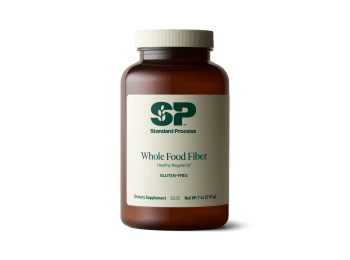
If considering Whole Food Fiber, review the current preparation and fluid instructions and ask about timing with medicines. Do not assume that increasing several fiber sources at once is comfortable or appropriate. Explain the current intake and tolerance before changing the routine.
A protein preparation needs a defined role
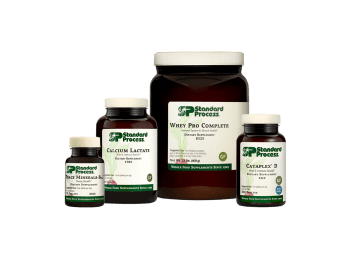
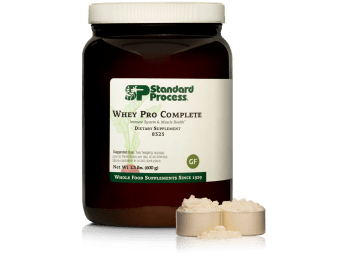
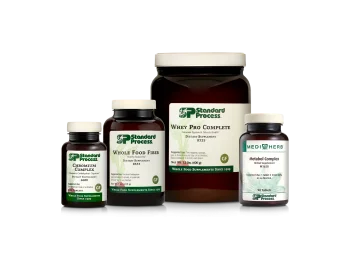
Whey Pro Complete appears in both recorded kits shown above. Ask whether the proposed preparation helps with an identified intake difficulty and how it fits the foods already eaten. Its presence in two kits does not make two purchases necessary.
Check the selected label, ingredients, serving instructions and preparation options. A drink that is easy to make may be practical, but a protein powder alone does not automatically provide everything a varied meal would. Avoid treating all powders as interchangeable meal replacements.
Coordinate food changes with the care team
Bring your sample day, the medicine list and all current supplements to the conversation. Ask which nutrient concerns are supported by the individual situation and which are only assumptions. Renal or other medical dietary restrictions deserve individualized advice rather than a general online target.
Agree what to do if intake becomes difficult and how the existing medicine and monitoring instructions apply when meals change. Our GLP-1 guide explains the different protocol contexts; this page remains a practical discussion of food, preparation and the purpose of each addition.
Sources: NIDDK: Prescription Medications to Treat Overweight and Obesity · NIH NCCIH: How Medications and Supplements Can Interact
Questions about protein, fiber and reduced appetite
Does reduced appetite mean I need the complete GLP-1 support kit?
No universal requirement is established. Review actual intake, tolerance, medical circumstances and existing supplements with the care team before selecting components.
How much protein should I aim for?
A suitable target depends on the individual situation, including health conditions and the care plan. Ask a qualified clinician or dietitian rather than using one number for everyone.
Do the therapy and body-composition kits share a protein product?
Yes. Both record the same Whey Pro Complete package. Compare the other companions and existing products before considering either complete kit.
Evidence and WSNC label references
- NIDDK: Prescription Medications to Treat Overweight and Obesity ↗
- NIDDK: Healthy Eating and Physical Activity for Life ↗
- NIH NCCIH: How Medications and Supplements Can Interact ↗
Standard Process information is presented in the WSNC protocol and product records linked here. NIH and FDA references explain assessment, evidence limits and safety; they do not test or endorse this store or bundle.
Source and scope
This explanation uses the product facts already recorded for the WSNC catalog. It does not create a new clinical review or update prices. Confirm the selected package in the authorized WSNC store.
- Protocol: Nutritional Support for GLP-1 Receptor Agonist Therapy: authorized WSNC listing ↗
- Protocol: Healthy Body Composition: authorized WSNC listing ↗
- Whey Pro Complete: authorized WSNC listing ↗
- Whole Food Fiber: authorized WSNC listing ↗
Ingredient explanations do not establish a finished-product treatment outcome. Read our research method or plan a practitioner conversation.