GLP-1 protocols: normal function and nutrition during prescribed therapy
Two protocol names mention GLP-1, but they raise different questions. Healthy GLP-1 Function is a recorded nutritional combination discussed around normal function. Nutritional Support for GLP-1 Receptor Agonist Therapy concerns nutrition while a person is using a prescribed medicine. The different contents matter; neither kit is established here as a medicine replacement.
Explore Metabolic & Blood Sugar Support →| Protocol and question | Recorded components | What to clarify |
|---|---|---|
| Protocol: Healthy GLP-1 FunctionView product → A normal-function nutrition discussion. |
| What specific goal supports these products without assuming a prescription-equivalent effect?Read the individual protocol explanation → |
| Protocol: Nutritional Support for GLP-1 Receptor Agonist TherapyView product → Nutrition during prescribed receptor agonist therapy. |
| What intake or tolerance concern supports each addition to the existing care plan?Read the individual protocol explanation → |
Start by identifying which question applies
If you are considering general nutrition, ask what specific intake or health goal supports the proposed plan. If you already use a GLP-1 receptor agonist, start with the prescriber’s instructions, the reason for treatment and how well you are able to eat and tolerate meals. These are different clinical contexts, even though the protocol names share a term.
NIDDK describes prescription medicines used in diabetes and weight management, including their benefits, risks and monitoring needs. A nutritional combination should not be advertised as producing those same effects simply because GLP-1 appears in the name. Do not start, stop or adjust a medicine on that basis.
Sources: NIDDK: Prescription Medications to Treat Overweight and Obesity · NIDDK: Insulin, Medicines and Other Diabetes Treatments
What the healthy-function kit records
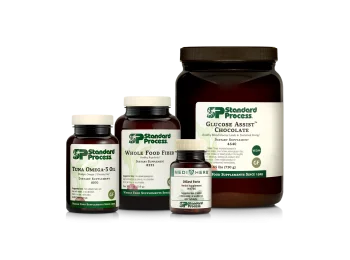
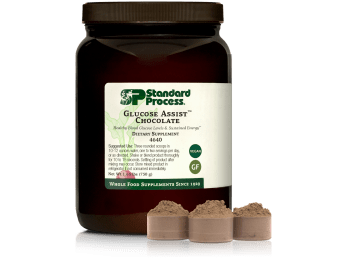
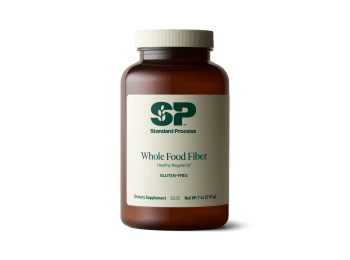
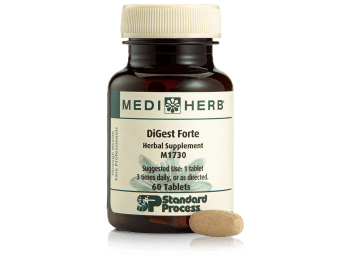
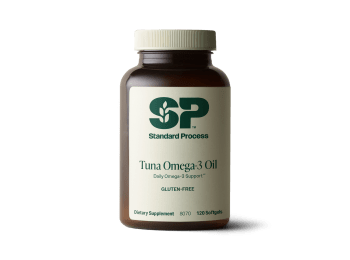
Healthy GLP-1 Function lists Glucose Assist Chocolate, Whole Food Fiber, DiGest Forte and Tuna Omega-3 Oil. This combination raises questions about preparation, fiber intake, digestion-related suitability and the use of an oil. Read the individual component pages and current labels to understand the products rather than treating the bundle name as a biochemical result.
The recorded listing does not establish that the full combination increases a person’s GLP-1 by a particular amount, matches a prescription receptor agonist or delivers a guaranteed weight-loss outcome. Ask why each component is relevant to the proposed nutrition goal and how the plan fits meals and current medicines.
Sources: NIH NCCIH: How Medications and Supplements Can Interact
What the therapy-support kit records
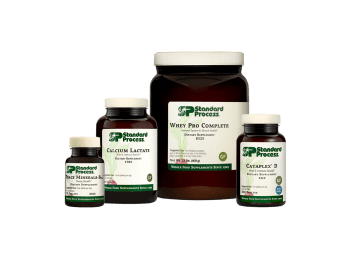
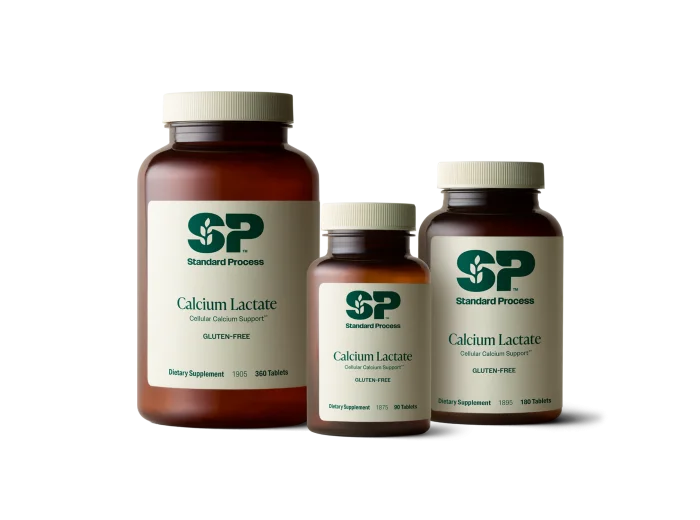
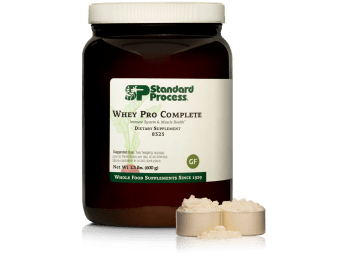
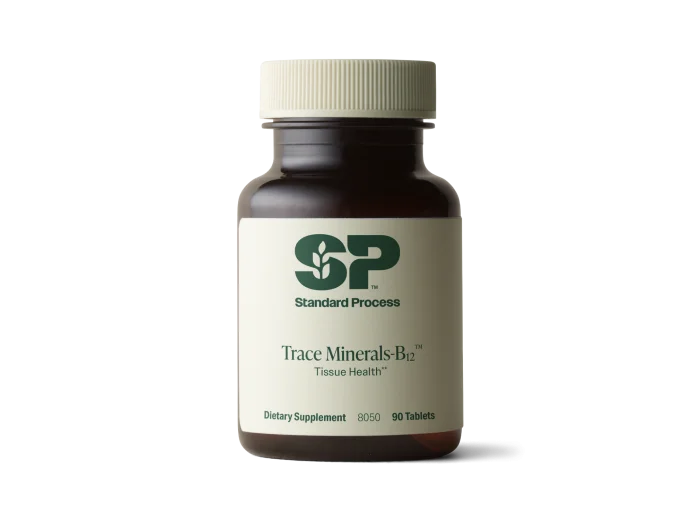
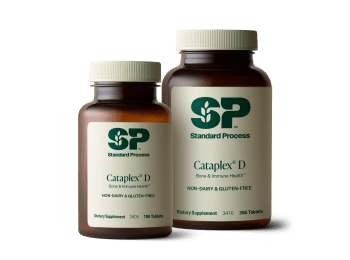
Nutritional Support for GLP-1 Receptor Agonist Therapy lists Calcium Lactate, Whey Pro Complete, Trace Minerals-B12 and Cataplex D. None of those four names matches the four items in the healthy-function kit. A protein preparation and nutrient formulas raise a different set of questions about food intake, preparation and overlap with existing supplements.
Reduced appetite can make the practicality and quality of meals important to discuss with the care team. That does not establish that every person taking a GLP-1 medicine needs this complete kit. Review what you can eat, your medical circumstances and existing products, then ask which, if any, additions fit an individualized plan.
Sources: NIDDK: Prescription Medications to Treat Overweight and Obesity · NIH NCCIH: How Medications and Supplements Can Interact
Compare the proposed plan with what you already use
Neither kit shares an identical recorded component package with the other. That difference is useful for comparison, but it does not prove that using both provides a more complete plan. Review the ingredients and reasons for the proposed additions, including any oils, powders, vitamins and minerals already used.
Whey Pro Complete in the therapy-support kit also appears in Healthy Body Composition. Whole Food Fiber in the healthy-function kit appears in the blood-glucose and body-composition combinations. Buying several related protocols can therefore repeat a product even when these two GLP-1 lists do not.
If the main question is how to eat when appetite is reduced, use the separate protein and fiber guide for practical meal examples. If the question is which metabolic kit differs, use the blood-glucose and body-composition comparison. Keep medicine management here with the prescribing care team.
Sources: NIH NCCIH: How Medications and Supplements Can Interact
Keep medicine management and nutrition coordinated
Tell the prescriber about difficulty maintaining intake, persistent vomiting or other concerning symptoms. A supplement purchase is not a substitute for assessing side effects or adjusting the medical care plan. If dietary intake changes, ask how the existing monitoring and medicine instructions should be followed.
Bring every proposed product label to the discussion, including oils, powders and products already taken. A dietitian or other qualified clinician can help make the nutrition plan practical. Do not combine the two kits automatically: different lists do not prove that taking both is useful or appropriate.
Sources: NIDDK: Prescription Medications to Treat Overweight and Obesity · NIDDK: Insulin, Medicines and Other Diabetes Treatments · NIH NCCIH: How Medications and Supplements Can Interact
Questions about GLP-1 protocols
Are these two GLP-1 kits interchangeable?
No. Their recorded component lists are different, and the titles describe different discussions: normal-function nutrition and nutrition during prescribed receptor agonist therapy. Choose according to the actual context, component labels and advice from the relevant healthcare professional.
Can healthy-function support replace a GLP-1 prescription?
The recorded kit does not establish equivalent effects or a replacement for a prescribed GLP-1 receptor agonist. Keep the prescription plan unless the prescriber changes it. A supplement title is not evidence of medicine-equivalent weight, glucose or other treatment outcomes.
Does everyone on therapy need the therapy-support kit?
No universal requirement is established. Food intake, tolerance, medical circumstances and existing supplements should guide the discussion. Ask which components have a defined purpose for you rather than assuming the entire kit is necessary because you take a GLP-1 medicine.
Evidence and WSNC label references
- NIDDK: Prescription Medications to Treat Overweight and Obesity ↗
- NIDDK: Insulin, Medicines and Other Diabetes Treatments ↗
- NIH NCCIH: How Medications and Supplements Can Interact ↗
Standard Process information is presented in the WSNC protocol and product records linked here. NIH and FDA references explain assessment, evidence limits and safety; they do not test or endorse this store or bundle.
Source and scope
This explanation uses the product facts already recorded for the WSNC catalog. It does not create a new clinical review or update prices. Confirm the selected package in the authorized WSNC store.
- Protocol: Healthy GLP-1 Function: authorized WSNC listing ↗
- Protocol: Nutritional Support for GLP-1 Receptor Agonist Therapy: authorized WSNC listing ↗
Ingredient explanations do not establish a finished-product treatment outcome. Read our research method or plan a practitioner conversation.