Cardiovascular & Circulation
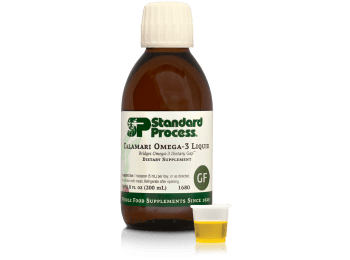
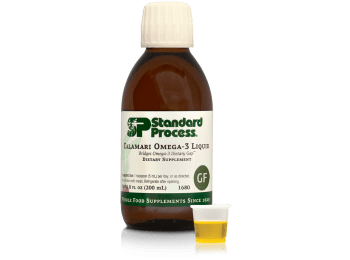
Calamari Omega-3 Liquid
Helps bridge the gap in dietary omega-3 intake*
$72.60View details →
Supports general health and helps bridge omega-3 dietary gap*
Explore the cardiovascular & circulation guide →You’ll continue to Standard Process’s secure WSNC storefront to review the official product listing and complete your order.
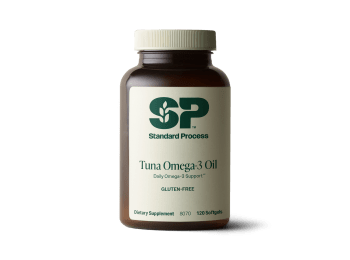
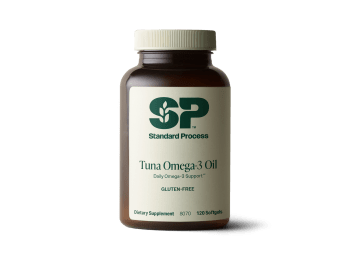
Tuna Omega-3 Oil provides naturally sourced DHA and EPA to help bridge a dietary omega-3 gap. The current Standard Process label lists 300 mg DHA and 60 mg EPA per two-softgel serving. Compare the serving and fish allergen information before ordering through the authorized WSNC store.*
Per two softgels: DHA 300 mg and EPA 60 mg, within 1.3 g total tuna oil. Total oil weight differs from EPA and DHA amounts. Review fish and gelatin ingredients.
These are labeled serving facts. Follow this product’s manufacturer directions and full cautions.
Per two-softgel serving: tuna oil 1.3 g, DHA 300 mg and EPA 60 mg. Other ingredients: gelatin, water, glycerine and mixed tocopherols. Contains fish (tuna). Confirm the label on the product received.


Contains fish (tuna) and gelatin; not suitable for people with a fish allergy or for vegetarians. Keep out of reach of children. Discuss individual suitability with your healthcare practitioner.
Use the ingredient statement and label on the package you receive as the current source for dietary decisions.
These NIH resources explain ingredients in the formula. They do not test or endorse this product.
Review current Tuna Omega-3 Oil label and listing in the WSNC inSITE store ↗ for the ingredients and nutrients in this product. The references below give ingredient or nutrient context; they do not test or endorse the formula.
This NIH resource provides background on omega-3 fatty acids. Check the current product label for the ingredient form and amount; this reference does not test or endorse Tuna Omega-3 Oil. NIH background: Omega-3 fatty acids ↗
Labeled serving amounts, formula roles and dietary considerations. These are label comparisons, not rankings of effectiveness. Review the complete cautions and discuss individual suitability with a licensed practitioner.
| Product | Listing focus | Declared formula in brief | Label directions |
|---|---|---|---|
| Tuna Omega-3 OilView product →Standard Process | Supports general health and helps bridge omega-3 dietary gap* | Per two-softgel serving: tuna oil 1.3 g, DHA 300 mg and EPA 60 mg. | Two softgels twice per day with meals, or as directed. Store in a cool, dark place.Full ingredients and cautions → |
| Calamari Omega-3 LiquidView product →Standard Process | Helps bridge the gap in dietary omega-3 intake* | Each Serving Size (1 Teaspoon (5 mL)) contains: Calories 45, Total Fat 5 g, Saturated Fat 1 g, Polyunsaturated Fat 2 g, Monosaturated Fat 1 g, Cholesterol 110 mg, DHA 800 mg, EPA 400 mg. Ingredients: Calamari oil (squid), natural citrus flavor, sunflower oil, d-alpha tocopherol (vitamin E soy), and rosemary extract. | 1 teaspoon (5 mL) per day, or as directed. May be taken with meals. Refrigerate after opening.Full ingredients and cautions → |
Clear answers based on the current manufacturer listing and practitioner context.
The current manufacturer listing states that two softgels provide 300 mg DHA and 60 mg EPA.
Yes. The manufacturer identifies fish (tuna) as an allergen, and the softgel also contains gelatin.
The manufacturer suggests two softgels twice daily with meals, or as directed, and storage in a cool, dark place.
Per two softgels: DHA 300 mg and EPA 60 mg, within 1.3 g total tuna oil. Total oil weight differs from EPA and DHA amounts. Review fish and gelatin ingredients. Follow each product’s manufacturer directions and full cautions; related formulas are not interchangeable doses.
Product details and formulas may change. Review the current manufacturer listing and the label on the package before use. The date above records a price check; it is not an editorial review date. How we research product information →
Helps bridge the gap in dietary omega-3 intake*