Evidence and label comparisons · WSNC nutrition education
Omega-3 Supplements: How to Compare EPA and DHA
The useful number on an omega-3 label is the amount of EPA and DHA, not simply the weight of the oil. Compare sources, serving forms and dietary suitability before choosing a marine-oil product. Capsule and liquid formulas can supply substantially different amounts.

What the evidence supports
Omega-3 products differ in EPA and DHA content. NIH describes triglyceride effects and mixed cardiovascular outcome findings; prescription high-dose products cannot be treated as interchangeable with retail fish oil. Evidence that a nutrient is important in brain tissue does not establish that taking it improves cognition in every healthy adult. Fish, squid and algae sources differ in ingredients and dietary suitability.
References: NIH ODS Omega 3 ↗
Forms and amounts worth comparing
Add EPA and DHA to understand the declared combined amount, while retaining each individual value. A bottle front showing total oil weight does not replace those details.
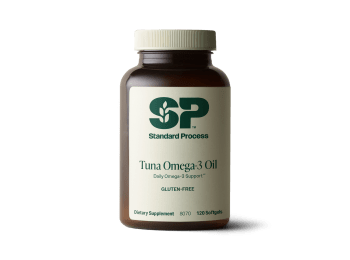
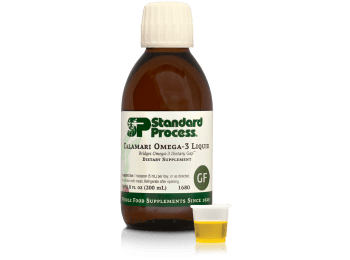
Tuna Omega-3 Oil is a softgel formula; Calamari Omega-3 Liquid is measured by teaspoon. Source species, gelatin, flavoring and other ingredients affect dietary fit. Squid oil is not an algae-based vegan alternative.
Compare the actual product labels
The comparisons below use the manufacturer nutrition panels checked on October 12, 2026. Serving quantities describe the label; they are not personalized directions.
| Product | Declared serving facts | Important distinction |
|---|---|---|
| Tuna Omega-3 OilView product → | Declared serving factsDHA 300 mg and EPA 60 mg per two softgels; contains tuna and gelatin. | Important distinctionCapsule-based marine oil option. |
| Calamari Omega-3 LiquidView product → | Declared serving factsDHA 800 mg and EPA 400 mg per teaspoon (5 mL); squid oil and additional ingredients. | Important distinctionLiquid option with a different serving profile; not an algae-based alternative. |
References: WSNC Tuna Omega-3 Oil recorded label details ↗ · WSNC Calamari Omega-3 Liquid recorded label details ↗ · NIH ODS understanding supplement labels ↗
Match the comparison to your question
Discuss your usual fish intake, source allergies, medication context and the purpose of supplementation. Retail marine oils and prescription omega-3 medicines have different quantities and evidence contexts; do not treat them as interchangeable.
References: NIH ODS supplement questions ↗
Products and protocols have different roles
Recorded joint kit contains Tuna Omega-3 Oil; cognitive kit contains Calamari Omega-3 Liquid. Their names and ingredient membership do not prove clinical outcomes.
An ingredient guide can help you ask a clearer question about a product. A protocol adds other ingredients and serving instructions, so review its full contents and potential overlap before considering the combination.
References: FDA consumer supplement information ↗
Protocol label reading
These kits contain a product compared in this guide. That ingredient match does not establish effects for the complete kit or individual suitability. Review all components with your practitioner.
Common questions
Is 1,000 mg fish oil the same as 1,000 mg EPA and DHA?
No. Total fish-oil weight includes components other than EPA and DHA. Compare the individually declared EPA and DHA amounts.
How do capsules and liquid servings compare?
Use the stated number of softgels or measured liquid serving, then compare EPA, DHA and other ingredients at that serving.
Is calamari oil suitable for a vegan diet?
No. Calamari oil is sourced from squid. An algae-based product is a different source and must be assessed on its own label.
Evidence and product label sources
WSNC label links below present recorded Standard Process product information on our site. Noncommercial references explain ingredients, evidence limits and safety; they do not verify every formula amount or establish a treatment outcome for a finished product or protocol. The referenced organizations do not endorse this store.
- NIH ODS Omega 3 ↗
- WSNC Tuna Omega-3 Oil recorded label details ↗
- WSNC Calamari Omega-3 Liquid recorded label details ↗
- FDA consumer supplement information ↗
- NIH ODS supplement questions ↗
- NIH ODS understanding supplement labels ↗
Manufacturer nutrition-panel amounts shown here were checked October 12, 2026. Confirm the current packaging, directions and dietary information before use. Your healthcare practitioner can help assess individual suitability.
How we research products → · Prepare a practitioner conversation →