Evidence and label comparisons · WSNC nutrition education
Vitamin D Supplements: What to Know and Compare
Vitamin D comparisons start with nutritional need, the D2 or D3 form, and the amount supplied by the complete daily routine. A product with more vitamin D is not automatically a better choice. Use this guide to compare Cataplex D with your dietary intake and existing supplements.
What the evidence supports
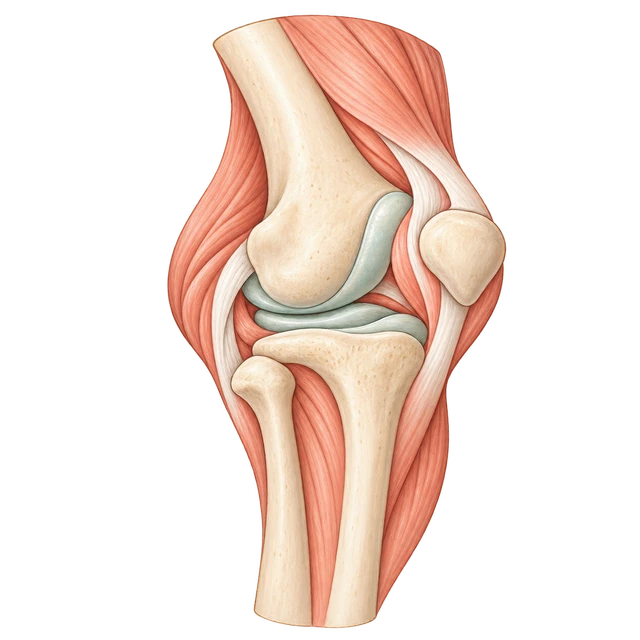
Vitamin D supports calcium absorption and normal bone mineralization. Correcting inadequate intake or deficiency is a different question from taking additional vitamin D for general prevention. Adult recommended total intake is 600 IU through age 70 and 800 IU thereafter; these are food-plus-supplement values, not a universal product dose. NIH reports that routine vitamin D testing is not recommended for all healthy individuals.
References: NIH ODS Vitamin D ↗
Forms and amounts worth comparing
Compare vitamin D in micrograms and IU, remembering that 1 mcg equals 40 IU. Read the serving size before comparing two bottles: a two-tablet serving and a single capsule may supply different quantities.
Cataplex D also supplies vitamin A and calcium. Include those nutrients when reviewing other products you take. A vitamin D comparison should describe the complete formula rather than presenting it as a single-ingredient product.
Compare the actual product labels
The comparisons below use the manufacturer nutrition panels checked on October 12, 2026. Serving quantities describe the label; they are not personalized directions.
| Product | Declared serving facts | Important distinction |
|---|---|---|
| Cataplex® DView product → | Declared serving factsvitamin D 40 mcg (1,600 IU), vitamin A 300 mcg RAE and calcium 60 mg per two tablets. | Important distinctionDirect vitamin D product; not a single-ingredient formula. |
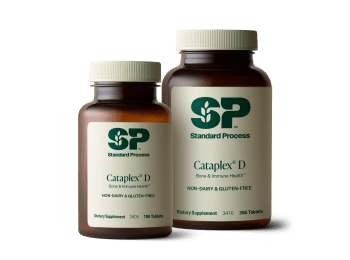
References: WSNC Cataplex® D recorded label details ↗ · NIH ODS understanding supplement labels ↗
Match the comparison to your question
Discuss whether there is a specific reason to assess your vitamin D intake, and whether testing is appropriate for your circumstances. Review total intake and co-ingredients rather than applying one supplemental dose to every adult.
References: NIH ODS supplement questions ↗
Products and protocols have different roles
Cataplex D appears in recorded kit contents. That establishes a navigation relationship, not evidence that the full protocol is indicated for the reader.
An ingredient guide can help you ask a clearer question about a product. A protocol adds other ingredients and serving instructions, so review its full contents and potential overlap before considering the combination.
References: FDA consumer supplement information ↗
Protocol label reading
These kits contain a product compared in this guide. That ingredient match does not establish effects for the complete kit or individual suitability. Review all components with your practitioner.
Common questions
Do I need vitamin D if I take a multivitamin?
Include vitamin D from every source in the comparison. A multivitamin may already supply some; suitability depends on total intake and your circumstances.
What is the difference between D2 and D3?
D2 and D3 are different vitamin D forms. Identify the form and declared quantity on the exact selected label.
How do I compare mcg and IU on a label?
One microgram of vitamin D equals 40 IU. Compare the same serving size before comparing the converted amounts.
Evidence and product label sources
WSNC label links below present recorded Standard Process product information on our site. Noncommercial references explain ingredients, evidence limits and safety; they do not verify every formula amount or establish a treatment outcome for a finished product or protocol. The referenced organizations do not endorse this store.
- NIH ODS Vitamin D ↗
- WSNC Cataplex® D recorded label details ↗
- FDA consumer supplement information ↗
- NIH ODS supplement questions ↗
- NIH ODS understanding supplement labels ↗
Manufacturer nutrition-panel amounts shown here were checked October 12, 2026. Confirm the current packaging, directions and dietary information before use. Your healthcare practitioner can help assess individual suitability.
How we research products → · Prepare a practitioner conversation →