Joint, Tendon, Ligament and Disc Protocols Compared
A joint, a tendon, a ligament and an intervertebral disc are different structures. These three protocol listings reflect different structural-health discussions, although some products repeat. Use the comparison to understand the combinations and prepare questions about the established care plan rather than diagnosing the source of pain from a kit title.
Explore Bone, Joint & Muscle →| Protocol and question | Recorded components | What to clarify |
|---|---|---|
| Protocol: Support for Joint HealthView product → The listing’s joint-health focus. |
| What joint concern has been assessed, and what role would this nutrition plan have?Read the individual protocol explanation → |
| Protocol: Tendons and Ligaments SupportView product → The listing’s tendon and ligament focus. |
| Which structure and activity limitation are relevant to the rehabilitation plan?Read the individual protocol explanation → |
| Protocol: Intervertebral Disc HealthView product → The listing’s intervertebral-disc focus. |
| What is known about the back concern, and which care instructions should continue?Read the individual protocol explanation → |
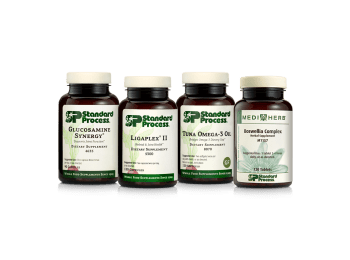
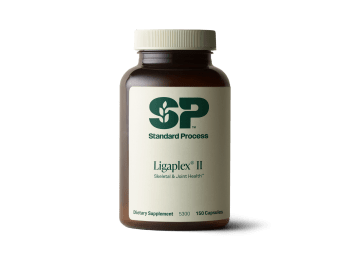
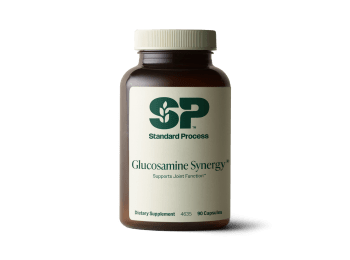
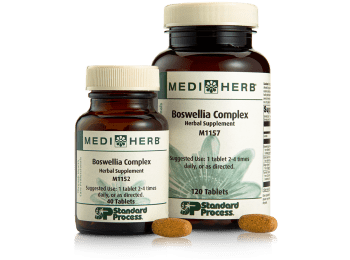
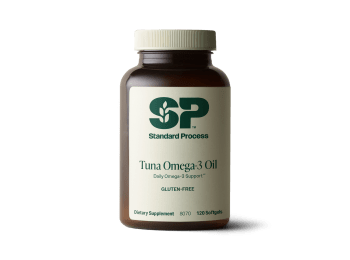

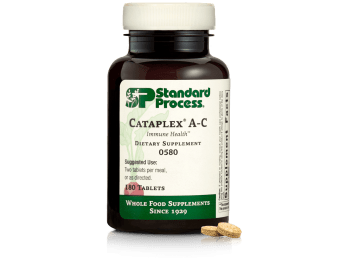
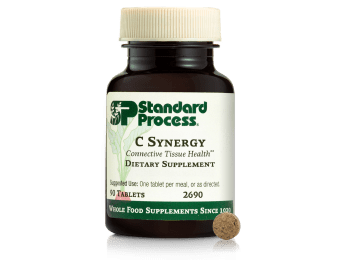
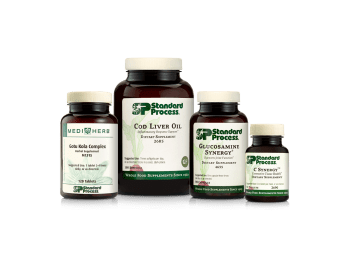

Similar locations can involve different structures
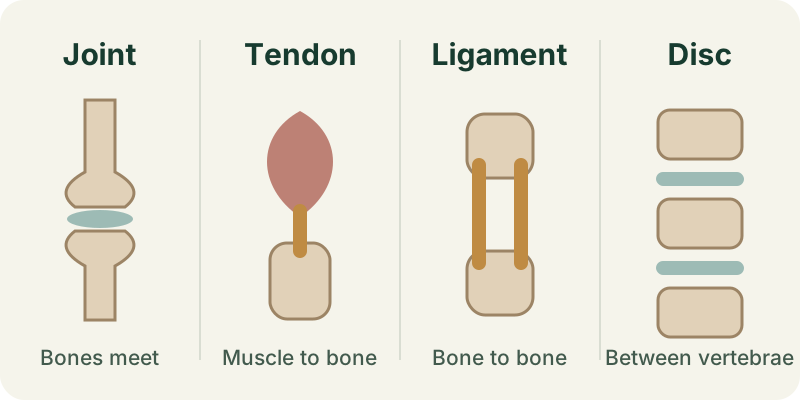
Tendons connect muscles to bones; ligaments connect bones to one another. Joints allow movement where bones meet, while intervertebral discs sit between vertebrae in the spine. The educational diagram distinguishes those terms. It does not locate an individual injury or determine why a movement hurts.
Describe the affected activity and any established diagnosis to your clinician. Ask which structure is relevant before considering a nutrition plan. Nearby discomfort does not prove that a tendon, joint and disc protocol all belong in the same regimen.
Sources: NIAMS: Musculoskeletal Health Topics
Connect nutrition with the existing movement plan
Ask what the assessed care plan says about activity, rehabilitation and follow-up. A supplement purchase does not determine when to increase load, return to sport or stop a prescribed exercise. Those decisions depend on the concern being assessed and the professional managing it.
Write down the movements you hope to do more comfortably. A useful discussion separates a nutrition goal from the rehabilitation goal and explains how each will be assessed. That prevents a product purchase from becoming the only measure of progress.
Avoid repair and regrowth assumptions
Names such as joint support or disc health do not demonstrate that a complete bundle rebuilds cartilage, heals a ligament or regrows a disc. Ingredient research also cannot establish those results for the recorded kit. Ask for evidence involving the actual formula and the relevant outcome.
Do not interpret a photograph, anatomical illustration or repeated ingredient as a clinical result. These comparisons document products and explain purchasing questions. The diagram is deliberately about the structures involved, not an image of tissue before and after supplementation.
Review medicines and overlapping supplements together
List existing oils, vitamins, minerals and joint products before ordering. If more than one kit is being discussed, mark the repeated packages and bring every complete label. The practitioner or pharmacist can assess suitability in the context of your medicines and health history.
New or worsening symptoms belong in a care conversation rather than an automatic switch to a different structural bundle. Ask which warning signs require attention and what would justify continuing the proposed nutrition routine.
Sources: NIH NCCIH: How Medications and Supplements Can Interact
Questions about structural-health protocols
Are tendon and ligament support the same as joint support?
No. The titles describe different structures, and the kits have different companions despite sharing Ligaplex II and Boswellia Complex. The appropriate discussion depends on the assessed concern.
Do all three structural kits contain the same products?
No. There are pairwise overlaps, but no identical recorded package appears in all three lists. Review the matrix before considering more than one kit.
Does the disc protocol regrow a damaged disc?
No such result is established here. The protocol listing and ingredient explanations do not prove disc regrowth or replace assessment and rehabilitation advice.
Evidence and WSNC label references
Standard Process information is presented in the WSNC protocol and product records linked here. NIH and FDA references explain assessment, evidence limits and safety; they do not test or endorse this store or bundle.
Source and scope
This explanation uses the product facts already recorded for the WSNC catalog. It does not create a new clinical review or update prices. Confirm the selected package in the authorized WSNC store.
- Protocol: Support for Joint Health: authorized WSNC listing ↗
- Protocol: Tendons and Ligaments Support: authorized WSNC listing ↗
- Protocol: Intervertebral Disc Health: authorized WSNC listing ↗
Ingredient explanations do not establish a finished-product treatment outcome. Read our research method or plan a practitioner conversation.