Active adults over 50 · WSNC nutrition education
Staying Active After 50: Muscle, Bone & Recovery Nutrition
Staying active after 50 involves a broader plan than choosing a recovery supplement. Food, suitable exercise and rest shape the question a product might help address. This guide connects protein, bone-nutrition and recovery comparisons to everyday activity without presenting a formula as a replacement for training or a treatment for pain.
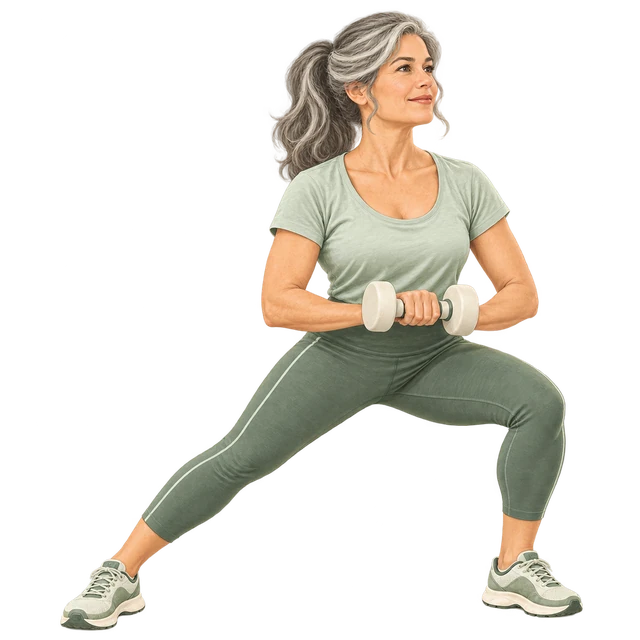
Name the activity you want to maintain or improve
A person returning to walking has different practical questions from someone preparing for a long ride or strength session. Write down the activity, its frequency and the issue you want to discuss: meal timing, protein intake or the contents of a recovery kit.
NIA describes strength training as one way older adults can improve strength. A supplement choice should sit within the agreed movement plan, not become the plan itself.
References: NIH NIA: Strength training as we age
Compare protein contribution before comparing flavors
Look at protein grams per serving, the ingredient source and the rest of the nutrition panel. A flavored powder can also contribute calories, carbohydrates and sweeteners. Compare those details with the meal or snack where you expect to use it.
NIH explains protein’s role in muscle maintenance and repair. The practical product question is how the selected serving contributes to total dietary intake, not whether the front label uses a recovery word.
References: NIH ODS: Exercise and athletic performance
Keep bone nutrition separate from exercise marketing
Calcium and magnesium products are mineral comparisons. A botanical endurance formula or a multi-product recovery protocol is a different kind of purchase. Do not equate the number of tablets or the word support across those categories.
Read declared nutrient amounts and directions, then place them next to foods and products already used. The bone, joint and muscle collection offers further ingredient comparisons when that is the main discussion.
Open every component label in a recovery protocol
A protocol is several products sold together, so the kit name is only the beginning of the comparison. Identify each component, its directions and whether another bottle in your routine duplicates it.
Our existing endurance-versus-recovery guide compares those kits in detail. Use it when the question is which bundle contains which products; use this page when the question is how nutrition fits an active life after 50.
Do not turn new pain or weakness into a shopping filter
Discuss new, persistent or limiting symptoms with a clinician before assuming that a nutrient or recovery blend explains them. A product comparison cannot establish an injury diagnosis or a rehabilitation plan.
For the visit, bring your activity record, food questions and shortlist. Ask whether the issue is nutrition, training load, recovery habits or something that needs further assessment.
Choose a routine that fits both activity and budget
Compare the actual daily serving, dietary restrictions and preparation time. A product you cannot comfortably prepare or fit into meals may be a poor practical match, even if its marketing sounds appropriate.
Keep the reason for each product next to the training or meal question it addresses. Then confirm the selected package and complete directions in the authorized listing before ordering.
Questions to guide a useful comparison
| Question | Why it matters | What to compare |
|---|---|---|
| Protein contribution | The complete serving matters. | Protein grams, calories, source and meal context. |
| Bone nutrition | Minerals differ from recovery blends. | Declared amounts and intake from food and other products. |
| Recovery protocol | A kit combines several formulas. | Every component, directions and overlap with your routine. |
Compare recorded product labels and directions
These examples show different formula approaches. Their inclusion does not establish suitability for every reader, equivalent effects, or approval to take them together.
| Product | Listing focus | Declared formula in brief | Label directions |
|---|---|---|---|
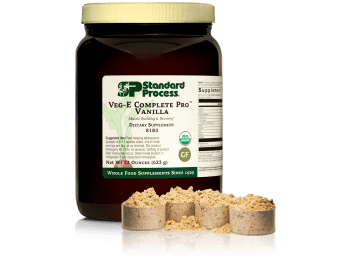
| Veg-E Complete Pro™ VanillaView product →Standard Process | Organic multisource blend of plant-based protein* | Each Serving Size (4 tablespoons) contains: Calories 130, Total Fat 2.5 g, Total Carbohydrate 7 g, Dietary Fiber 2 g, Total Sugars 4 g, Includes 4 g Added Sugars, Protein 15 g, Calcium 20 mg, Iron 4 mg, Sodium 370 mg, Potassium 120 mg. Proprietary Blend 26 g: Organic pea protein, organic pumpkin seed protein, and organic sesame seed protein. Contains: Sesame and tree nut (coconut). | Four heaping tablespoons (scoops) in 8-12 ounces water, one to three servings per day, or as directed. Mix product thoroughly for 10 to 15 seconds. Settling of product after mixing may occur. Store mixed product in refrigerator…Full ingredients and cautions → |
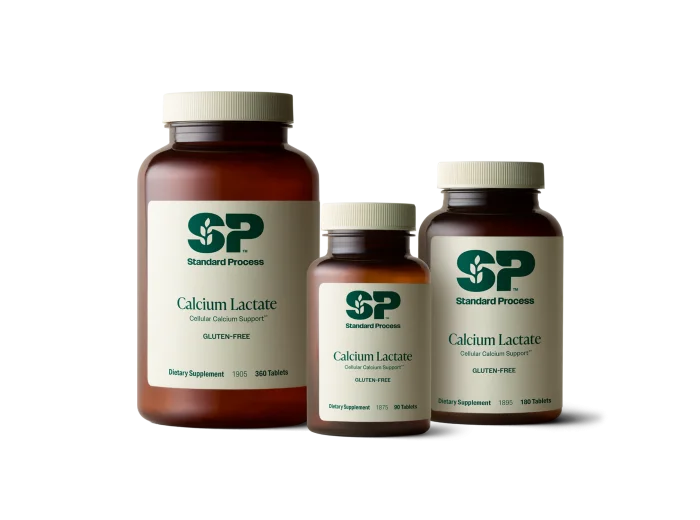
| Calcium LactateView product →Standard Process | A vegan, non-dairy calcium-and-magnesium formula supporting healthy bone structure, muscle contraction, nerve transmission and cellular function.* | Three tablets provide calcium from calcium lactate and calcium stearate plus magnesium from magnesium citrate. | Three tablets per day, or as directed by your healthcare practitioner.Full ingredients and cautions → |
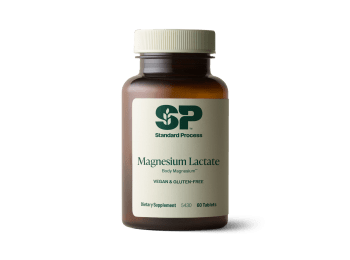
| Magnesium LactateView product →Standard Process | Magnesium Lactate delivers essential magnesium for system-wide cellular function* | Each Serving Size (2 Tablets) contains: Calories 10, Total Carbohydrate 1 g, Magnesium 200 mg. Ingredients: Magnesium lactate and calcium stearate. | Two tablets per day, or as directed.Full ingredients and cautions → |
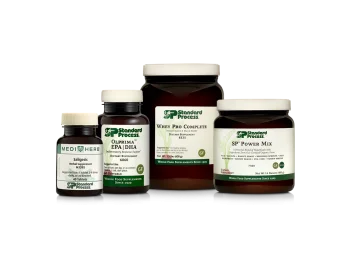
| Protocol: Exercise RecoveryView product →Standard Process | Support for post-exercise recovery and muscle repair* | Manufacturer-listed bundle products: Olprima™ EPA|DHA, 60 Softgels; Whey Pro Complete, 21 oz (600 g); Saligesic, 40 Tablets; SP® Power Mix 14 oz (400 g). | Follow the manufacturer’s protocol guide and the suggested use on each included product label, as directed by your healthcare practitioner.Full ingredients and cautions → |
Questions about active adults over 50
Can a recovery supplement replace strength training?
No. A product can contribute ingredients or nutrients, but it does not replace an appropriate exercise plan, adequate food and rest.
Is a recovery kit the same as a protein powder?
No. Compare each kit component and its directions separately. A protein powder has a measurable protein contribution; a multi-product protocol can contain formulas with different roles.
Should muscle soreness determine which product I buy?
First consider the training context and whether symptoms need assessment. Do not use product marketing to diagnose pain or select treatment.
Evidence and product information sources
- NIH NIA: Strength training as we age ↗
- NIH ODS: Exercise and athletic performance ↗
- FDA: Information for supplement consumers ↗
- Authorized WSNC Standard Process store information ↗
Public health references explain nutrition and evidence limits; they do not endorse WSNC or these products. The product table uses existing catalog records. No new clinician review, label refresh or price update is claimed.