Perimenopause & menopause · WSNC nutrition education
Perimenopause & Menopause: A Nutrition and Supplement Guide
Perimenopause and menopause supplement decisions should start with the question you want answered: a dietary shortfall, bone nutrition, or symptoms that need medical care. A menopause label does not make several different formulas interchangeable. This guide separates everyday nutrition from symptom-treatment claims and helps you prepare a focused comparison before choosing products.

Separate nutritional goals from menopause symptoms
Write down what prompted your search and how it affects your day. A change in meals, a bone-health discussion and disrupted sleep lead to different conversations. Naming that first question makes the next product comparison more useful than starting with a long list of ingredients.
NCCIH reports that supplements have not been clearly shown to relieve menopausal symptoms. Treat claims about hot flashes or hormone balancing as questions requiring evidence, rather than as benefits established by a product name.
References: NIH NCCIH: Menopausal symptoms
Build a clear picture of food and nutrient intake
List a typical breakfast, lunch and dinner, including fortified drinks and any nutrition shakes. Note what you regularly avoid. This gives your practitioner a practical starting point for identifying a gap, rather than assuming that every woman in the transition needs the same bottles.
Calcium and vitamin D are relevant to bone nutrition. Their labels serve different purposes, so compare actual nutrient amounts and total intake rather than treating a calcium product as a complete menopause formula.
References: NIH ODS: Calcium · NIH ODS: Vitamin D
Compare nutrients and botanical formulas separately
Use the table below to distinguish the product role from the serving directions. A mineral product, a food blend and a botanical extract cannot be compared by tablet count alone. Read all declared ingredients, then identify which part of your original question each formula is meant to address.
If you are researching a Standard Process menopause kit, continue to our existing cognitive-versus-vasomotor protocol comparison. It lists the separate kit approaches; this broader guide does not turn those kits into proven treatments or recommend taking both.
Bring hormone therapy and existing products into the discussion
Bring the names and labels of products you already take to your appointment. Include hormone therapy, prescriptions and occasional sleep products. Ask the pharmacist or clinician to review the complete combination instead of approving each supplement in isolation.
Record who will decide whether a product fits, what question it addresses and when you will revisit the decision. Do not change prescribed therapy to make room for a supplement.
References: FDA: Mixing medications and supplements
Prepare specific questions for your next visit
Ask whether your goal is better addressed by food changes, a targeted nutrient, symptom assessment or another form of care. Ask which label amounts matter and whether anything in your current routine duplicates the proposed product.
Make a short comparison sheet with the formula name, intended role, daily directions and unresolved questions. This gives you a usable record when two products have similar marketing language but different contents.
Choose a product only after its role is clear
Open the individual product page for the full recorded formula and dietary information. Confirm the selected package in the authorized WSNC store before ordering. Products linked here illustrate nutrient comparisons; inclusion is not a recommendation for every person experiencing menopause.
The most useful next step may be a more focused guide: women over 50 for everyday nutrition, sleep and relaxation for sleep questions, or the existing menopause protocol comparison for kit contents.
Questions to guide a useful comparison
| Question | Why it matters | What to compare |
|---|---|---|
| Everyday dietary gap | A shortfall and a symptom-treatment claim are different questions. | Food intake, declared nutrients and the actual daily serving. |
| Bone nutrition | A mineral product has a different role from a botanical blend. | Calcium, vitamin D and amounts already supplied elsewhere. |
| Menopause kit | Kits can contain several distinct formulas. | Every component label and the reason for including each one. |
Compare recorded product labels and directions
These examples show different formula approaches. Their inclusion does not establish suitability for every reader, equivalent effects, or approval to take them together.
| Product | Listing focus | Declared formula in brief | Label directions |
|---|---|---|---|
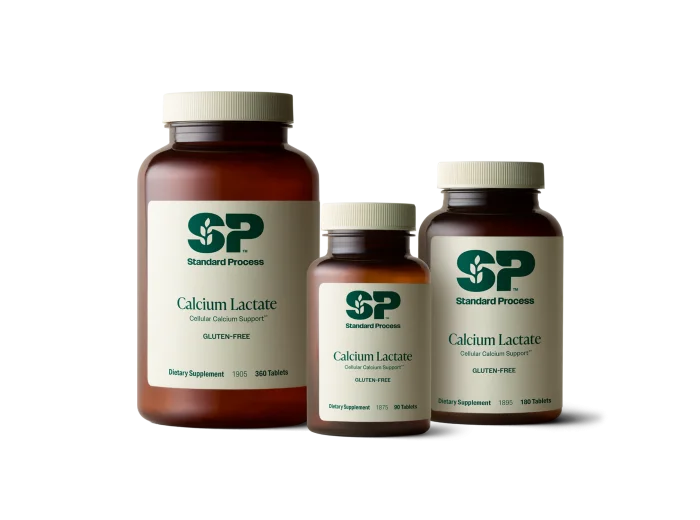
| Calcium LactateView product →Standard Process | A vegan, non-dairy calcium-and-magnesium formula supporting healthy bone structure, muscle contraction, nerve transmission and cellular function.* | Three tablets provide calcium from calcium lactate and calcium stearate plus magnesium from magnesium citrate. | Three tablets per day, or as directed by your healthcare practitioner.Full ingredients and cautions → |
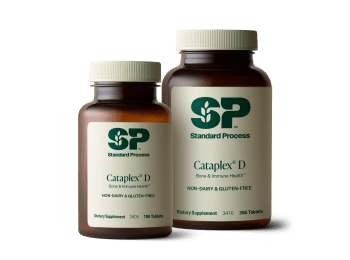
| Cataplex® DView product →Standard Process | Supports bone health, mineral absorption and immune system* | Per two tablets: vitamin A 300 mcg RAE, vitamin D 40 mcg and calcium 60 mg. Current ingredients: calcium lactate, potassium citrate, glycerine, acacia fiber, modified corn starch, sucrose, calcium stearate, vitamin A palmitate, ascorbic acid and cholecalciferol. | Two tablets daily, or as directed.Full ingredients and cautions → |
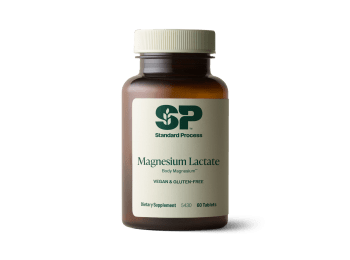
| Magnesium LactateView product →Standard Process | Magnesium Lactate delivers essential magnesium for system-wide cellular function* | Each Serving Size (2 Tablets) contains: Calories 10, Total Carbohydrate 1 g, Magnesium 200 mg. Ingredients: Magnesium lactate and calcium stearate. | Two tablets per day, or as directed.Full ingredients and cautions → |
Questions about perimenopause & menopause
Are menopause supplements a substitute for hormone therapy?
No. Nutrition products and prescribed treatment address different questions. Discuss symptoms and treatment options with your clinician; do not replace prescribed care with a supplement.
Should I combine a menopause blend with separate minerals?
First compare the complete labels and total intake. A practitioner or pharmacist can identify duplicated nutrients and decide whether the combination fits your circumstances.
Does this guide recommend a menopause kit?
No. It explains comparison criteria. Our separate protocol guide describes recorded kit contents without claiming that the finished kits treat menopause symptoms.
Evidence and product information sources
- NIH NCCIH: Menopausal symptoms ↗
- NIH ODS: Calcium ↗
- NIH ODS: Vitamin D ↗
- FDA: Mixing medications and supplements ↗
- FDA: Information for supplement consumers ↗
- Authorized WSNC Standard Process store information ↗
Public health references explain nutrition and evidence limits; they do not endorse WSNC or these products. The product table uses existing catalog records. No new clinician review, label refresh or price update is claimed.